
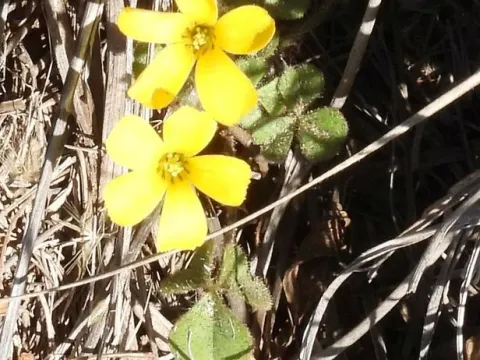
Oxalis refracta
Oxalis refracta
The sowing period for Oxalis refracta typically occurs in early spring, once soil temperatures reach 10–12 degrees Celsius. To ensure uniform germination, seeds require stratification; in temperate climates, sowing is often conducted in late autumn or via greenhouse seedling production.
What the section contains
Oxalis refracta
Seeds should be planted at a depth of no more than 0.5–1 centimeter, as their small size makes them sensitive to the depth of the soil cover. It is recommended to sow in rows with spacing of up to 30 centimeters to ensure adequate light exposure for each plant.
In regions with long springs, sowing in open fields is delayed until the second half of April. It is important to note that the crop is sensitive to sudden nighttime temperature drops, so seedlings are often covered with agricultural fleece during the first weeks of growth.
In commercial-scale cultivation, mechanized seeding helps maintain optimal plant density. On average, up to 2-3 kilograms of high-quality seeds with good germination energy are required per hectare.
The optimal time for vegetative propagation, often practiced to preserve varietal traits, occurs at the end of the active flowering phase. Plants are divided into segments and immediately transplanted into prepared areas with sufficient moisture levels.
Oxalis refracta belongs to the Oxalidaceae family and is a perennial herbaceous plant native primarily to South American regions. The crop prefers well-drained, fertile soils with a neutral or slightly acidic pH level.
The plant shows moderate light requirements: it can tolerate partial shade, but it reaches maximum vegetative mass in open areas with sufficient access to sunlight. Excessive shading leads to stem elongation and reduced overall productivity.
Moisture requirements are quite high, especially during the active growth phase. The crop does not tolerate waterlogging, so it is critical to ensure high-quality drainage when selecting a site to prevent the development of root rots.
In terms of climate, Oxalis refracta requires stable temperature conditions during the growing season. The optimal temperature range for development is between 18 and 25 degrees Celsius. The plant’s frost resistance is limited, necessitating protective measures in northern regions.
Soil structure should be light and loose, which can be achieved by incorporating organic matter or compost. The plant responds well to moderate applications of potassium and phosphorus-based fertilizers, which strengthen the root system and increase resistance to external stresses.
The primary threats to Oxalis refracta are fungal diseases that develop under high humidity and poor soil aeration conditions. Powdery mildew is among the most dangerous, manifesting as a characteristic white coating on the leaves and petioles.
When the root system is affected by gray mold, rapid wilting of the aerial parts occurs, which can lead to significant crop losses. Prevention includes strict crop rotation and the application of systemic fungicides at the first sign of disease.
Among pests, the spider mite causes the most damage, as it actively reproduces in hot and dry air conditions. Its activity leads to leaf deformation and premature bud drop, which critically reduces the overall yield of the plantations.
Aphids also pose a serious danger by sucking sap from young shoots and transmitting viral infections. Combating them requires a comprehensive approach, combining the use of biological agents and broad-spectrum insecticides during peak infestation periods.
- Regular weeding reduces the risk of disease transmission.
- Timely irrigation prevents the weakening of the plant's immune system.
- Pest monitoring should be conducted during morning hours.