
Oryza nivara
Oryza nivara
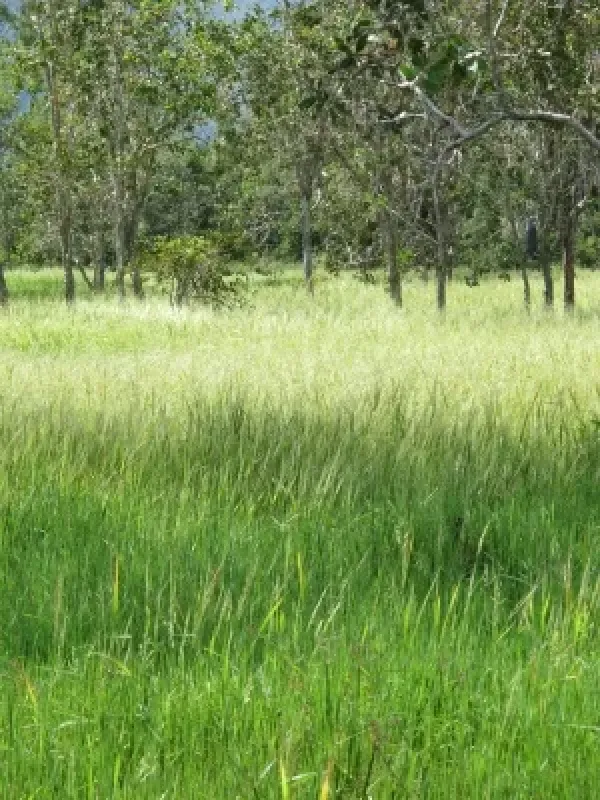
Description
Growing requirements
Oryza nivara is a wild perennial or annual grass species belonging to the Poaceae family. It is widely recognized by botanists and geneticists as a direct progenitor or a very close wild relative of the domesticated Oryza sativa.
The natural habitat of this species is spread across South and Southeast Asia. It is typically found in wetlands, shallow marshes, and along the banks of rivers and seasonal ponds, where it thrives in water-saturated soil conditions.
Botanically, Oryza nivara is distinguished by its high adaptability to varying water levels. The plant possesses a unique anatomical structure including aerenchyma, which ensures the transport of oxygen to roots submerged in waterlogged soils.
Climate requirements for this plant are strictly tropical. It demands constant high temperatures throughout its life cycle, preferably ranging from 25°C to 35°C, and requires high annual rainfall or consistent access to surface water.
The soil preference includes nutrient-rich, heavy alluvial clays. It can tolerate acidic soil environments that would be detrimental to many conventional cereal crops, making it a robust species within its native ecological niche.
Main diseases and pests
Like many species of the genus Oryza, this plant is vulnerable to several fungal diseases. Rice blast (Pyricularia oryzae) is the most prominent threat, capable of damaging the leaves and panicles in dense clusters.
Common insect pests include the rice stem borer and various species of leafhoppers. These pests can significantly reduce the vitality of the plant by feeding on its vascular tissue or interfering with the reproductive stage.
Weed competition is generally low for Oryza nivara in its native habitat, as it tends to outcompete other swamp vegetation. However, in disturbed areas, invasive aquatic plants may challenge its growth space.
Environmental threats also include rapid changes in water levels, such as flash floods or prolonged droughts that deplete its required aquatic environment. While it is hardy, sudden changes can prevent successful grain development.
Researchers monitor this species closely because it serves as a genetic bank for disease resistance. Many commercial varieties have been improved by incorporating genes found in Oryza nivara to fight against bacterial blight.