
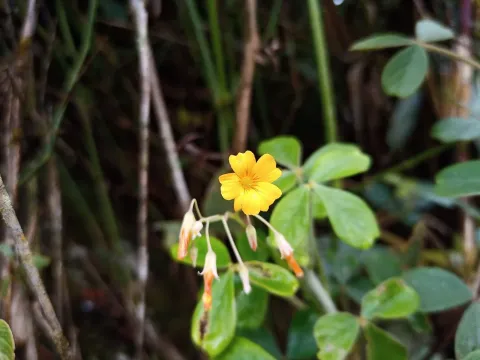
Oxalis spiralis
Oxalis spiralis
Sowing Oxalis spiralis is typically conducted in early spring, once the soil has warmed sufficiently. Optimal germination occurs when temperatures remain consistently between 18 and 20 degrees Celsius, ensuring a stable start for the seedlings.
What the section contains
Oxalis spiralis
The seeds should be sown in a well-draining, lightweight substrate enriched with perlite or sand. Because the seeds are tiny, they should be surface-sown and only lightly pressed into the soil to ensure they receive the light necessary for germination.
Vegetative propagation via rhizome division is a common method for maintaining specific cultivar characteristics. This process is best performed during the plant's dormant phase or at the very beginning of the spring growth cycle for rapid root establishment.
During the germination phase, moisture control is crucial. The substrate should be kept consistently damp but never waterlogged. Using a humidity dome or covering the tray with plastic can help maintain the required moisture levels until sprouts emerge.
For large-scale cultivation, managing the timing of propagation is essential to synchronize harvest or retail readiness. Establishing a clear schedule for these operations ensures a uniform crop and better long-term productivity.
Oxalis spiralis belongs to the Oxalidaceae family and thrives in conditions that mimic its natural habitat. The plant requires bright, indirect sunlight; direct, harsh sun can scorch the delicate foliage, while insufficient light leads to spindly, weak stems.
Soil requirements focus on excellent aeration and drainage. A neutral or slightly acidic pH is ideal for the plant's health. Heavy, clay-based soils should be avoided or heavily amended with organic matter and gravel to prevent root rot.
Temperature management is key to successful development. Oxalis spiralis is a tender perennial that prefers temperatures between 18 and 25 degrees Celsius. It should be protected from extreme heat and freezing temperatures, which can induce dormancy.
Watering needs vary by season. During the active growing period, the soil should be kept moderately moist. As the plant enters its natural resting phase, irrigation must be reduced significantly to allow the rhizomes to recover.
Fertilization is beneficial during the active growing season. A balanced, water-soluble fertilizer applied at half-strength every few weeks is sufficient to promote growth without causing salt buildup or foliage burn.
Common pests affecting Oxalis spiralis include spider mites, aphids, and mealybugs. These pests thrive in dry conditions and can quickly colonize the plant if preventative measures, such as maintaining appropriate humidity, are neglected.
Fungal diseases, including powdery mildew and Botrytis (gray mold), are frequent issues, especially when air circulation is poor. These conditions are usually triggered by high humidity combined with stagnant air around the base of the plant.
Integrated pest management involves regular inspection of the plant canopy. Catching an infestation early allows for simple manual removal or the application of organic soap-based treatments, avoiding the need for stronger chemicals.
Cultural control, such as proper spacing and cleaning of fallen plant debris, is the best defense against pathogens. Ensuring that the foliage is dry before nightfall can significantly reduce the risk of mold formation.
In cases of severe infestation, systemic insecticides may be used, though these should be handled with caution. Proper diagnostics regarding whether the problem is environmental or pathogenic is the first step in successful recovery.