
Oxalis deppei
Oxalis deppei
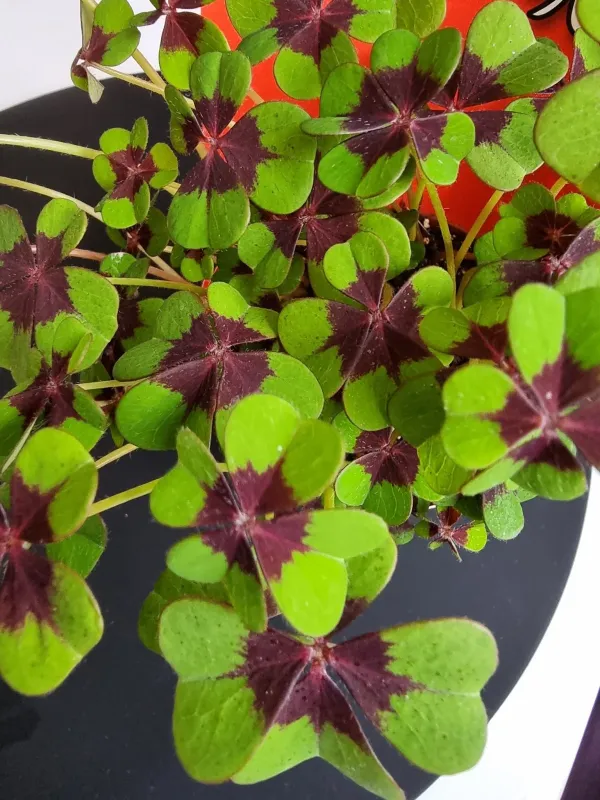
Description
Sowing dates
Oxalis deppei bulbs should be planted in the spring once the danger of frost has passed and the soil has sufficiently warmed up for root development.
Place the bulbs at a depth of 5 to 7 centimeters, ensuring a spacing of about 15 to 20 centimeters between plants to allow for proper foliage spread.
In colder climates, start the bulbs indoors in pots during late March to get a head start on the growing season before moving them outdoors.
Propagation is most efficiently achieved by dividing the mature clumps or separating the offsets during the plant's dormant or early spring phase.
Ensure the soil is loose and friable at the time of planting to facilitate easy root penetration and to prevent the bulbs from rotting in heavy clay.
Growing requirements
This species, belonging to the Oxalidaceae family, thrives in bright, indirect sunlight which is essential for maintaining its vibrant leaf color and pattern.
The plant requires well-drained, fertile soil with a slightly acidic to neutral pH to support healthy bulb production and vigorous growth throughout the season.
Consistent moisture is necessary during the active growing phase, but it is critical to avoid waterlogging the soil to prevent fungal infections.
Optimal development occurs in temperatures ranging between 18 and 25 degrees Celsius, protecting the foliage from extreme heat or sudden cold snaps.
Regular applications of balanced, water-soluble fertilizers every few weeks help promote lush leaf growth and improve the overall vitality of the plant.
Main diseases and pests
Common pests such as spider mites, aphids, and mealybugs can infest the foliage, particularly in indoor environments or during periods of heat stress.
Fungal issues, including various forms of rot, often arise if the soil remains constantly soggy or if there is inadequate air circulation around the plants.
Overwatering is the leading cause of plant failure, leading to the rapid decay of the bulbs, which are highly susceptible to pathogens in wet conditions.
Integrated pest management, including the use of neem oil or insecticidal soaps, is recommended to keep the plant healthy without using harsh chemicals.
Regular monitoring of the underside of leaves for early signs of pest activity allows for quick intervention and prevents widespread infestations.
Harvesting
Leaves and stems can be harvested individually throughout the growing season for culinary use, providing a pleasant, tangy flavor to various dishes.
The bulbs are typically harvested in the autumn after the foliage naturally dies back, indicating that the plant has entered its winter dormancy.
Once harvested, clean the bulbs gently, remove any loose soil, and allow them to air-dry in a cool, dark, and well-ventilated area before storage.
Store the bulbs in a dry medium like sand or peat at a temperature of about 10 degrees Celsius to maintain their viability until the following spring.
The plant is valued both for its aesthetic appeal in borders or pots and for its utility as a unique, edible addition to a home garden or kitchen.