
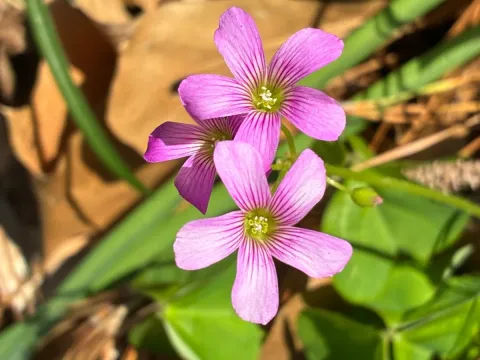
Pink wood sorrel
Oxalis debilis
Pink wood sorrel (Oxalis debilis) is primarily propagated through its bulbils. Planting should ideally occur in the spring once the threat of frost has passed and the soil has reached a stable, warm temperature.
What the section contains
Pink wood sorrel
Bulbs should be placed at a depth of 3 to 5 centimeters in the substrate. Ensuring the correct depth is crucial for the plant to establish a strong root system before the onset of the peak growing season.
Spacing between plants should be approximately 15 centimeters. This allows for adequate airflow around the foliage, which is vital in preventing moisture-related fungal diseases.
The planting site should be chosen with care, preferably in an area that receives bright, filtered light. Direct, intense midday sun can sometimes scorch the delicate leaves.
Before sowing, it is advisable to ensure the soil is loose and well-amended with organic matter to facilitate rapid root growth and early season development.
Oxalis debilis belongs to the Oxalidaceae family and thrives in well-drained, slightly acidic to neutral soils. It is native to South America and is widely appreciated for its delicate pink flowers.
The plant demands a high-quality drainage system. In containers, this means using a potting mix enriched with grit or perlite to prevent the bulbs from sitting in water, which leads to immediate decline.
Temperature requirements are moderate; the plant prefers a range between 18 and 25 degrees Celsius. It does not tolerate prolonged frost and typically goes dormant when temperatures drop significantly.
Watering should be consistent throughout the active growth phase. However, the surface of the soil should be allowed to dry slightly between waterings to ensure the health of the bulbous rootstock.
Fertilization with a balanced, water-soluble fertilizer during the peak blooming period can enhance both the quality and the quantity of the flowers produced by the plant.
Root and bulb rot are the primary threats to Pink wood sorrel, typically triggered by waterlogged soil conditions or poor aeration within the root zone.
Aphids and spider mites are the most common pests found on this species. They cluster on the undersides of leaves and can cause yellowing and premature leaf drop if not addressed promptly.
In outdoor environments, slugs and snails pose a significant risk to the tender growth, especially during periods of high humidity or rainy weather.
Viral infections can occasionally occur, manifesting as mottled leaves or stunted growth. These cannot be cured and require the immediate removal of the affected plants.
- Maintaining proper soil moisture balance
- Regular inspections for early signs of pest infestation
- Ensuring sufficient spacing for airflow
- Sanitation by removing decaying plant matter