
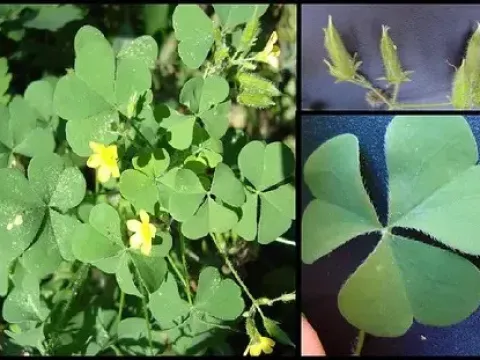
Oxalis oxyptera
Oxalis oxyptera
Oxalis oxyptera is a perennial herbaceous plant belonging to the Oxalidaceae family. In agriculture, it is valued for its unique properties and specific biological requirements that necessitate precise cultivation techniques.
What the section contains
Oxalis oxyptera
Seeds are typically sown in early spring once the soil temperature consistently reaches 12–15 degrees Celsius. Ensuring a high-quality, loose substrate is vital for successful germination and early stage development.
Sowing depth should be kept shallow, approximately 1–2 centimeters, to allow the small seeds to sprout without excessive resistance. Proper spacing is essential to minimize competition and ensure vigorous plant growth.
Vegetative propagation via tuberous roots is the most common method in professional settings. This approach preserves the genetic consistency of the crop and often leads to more uniform development across the field.
The plant has a specific developmental cycle, including periods of dormancy. Strategic planning of the planting schedule is crucial to align the growing phase with the most favorable climatic conditions.
The crop thrives in well-lit areas, preferring bright, diffused sunlight. Intense, direct sun during the hottest part of the day can cause leaf scorching, so partial shading is often beneficial.
Soil requirements include high fertility and excellent drainage. Oxalis oxyptera is sensitive to waterlogging, which can rapidly lead to root rot; therefore, soil aeration is a top priority for growers.
Moderate irrigation is necessary during the active growing season. Growers must balance moisture levels carefully to prevent the substrate from becoming either too dry or overly saturated.
Climate control is essential for success. The plant is sensitive to abrupt temperature fluctuations and requires protection from harsh, drying winds. In colder climates, winter protection or storage is necessary.
Regular maintenance, such as loosening the top layer of soil, is recommended to ensure optimal oxygen exchange in the root zone, which significantly boosts overall plant vigor and health.
Yield estimation for Oxalis oxyptera is focused on the accumulation of vegetative mass. The crop is managed to maximize leaf production, which serves as the primary harvestable product.
Under optimal management, which includes balanced nutrient application and controlled watering, the biomass can reach substantial levels. Nitrogen levels must be regulated to prioritize leaf development over excessive bloom.
Commercial use is largely based on the botanical extracts and organic acids present in the plant foliage. Its cultivation is specialized, aimed at meeting the demand for high-quality botanical raw materials.
Harvesting should be done selectively to ensure the plant maintains enough foliage for ongoing photosynthesis, which is critical for tuber replenishment and next-season growth potential.
Efficient yield management involves frequent monitoring of the crop health, allowing for quick adjustments in fertilization and irrigation to maximize the harvest of premium-grade material.
Fungal diseases, such as powdery mildew, are among the primary threats to Oxalis oxyptera. These typically occur when air circulation is poor or humidity levels remain constantly high.
Common pests include spider mites and aphids, which can quickly colonize plants in warm, dry environments. Integrated pest management protocols should be implemented to mitigate these risks.
Slugs and snails can cause considerable damage to young, tender sprouts. The use of barrier materials or organic traps is an effective agronomic practice to keep pest populations under control.
Root rot is a significant danger if the drainage system is inadequate or if irrigation is excessive. This issue is best handled through preventive measures rather than post-infection treatments.
A strict sanitation program, including the removal of infected plant parts and crop rotation, helps maintain a healthy growing environment and minimizes the spread of potential pathogens.
The harvest of Oxalis oxyptera is timed to coincide with the period of peak leaf nutrient concentration, usually occurring just before or during the initial flowering phase.
Post-harvest handling is critical for maintaining quality. The harvested foliage should be dried in a cool, shaded area with good airflow to preserve the plant's delicate biochemical properties.
Tuberous root harvesting, when intended for propagation, is conducted in the autumn after the foliage has naturally withered. Tubers should be cleaned, sorted, and stored carefully.
Storage of the harvest must take place in a dry, dark, and cool environment. Proper ventilation is essential to prevent moisture buildup and the subsequent development of mold on the tubers.
Implementing a careful harvest procedure ensures not only a high-quality product but also the sustainability of the crop for the following year, ensuring consistent returns for the agricultural producer.