
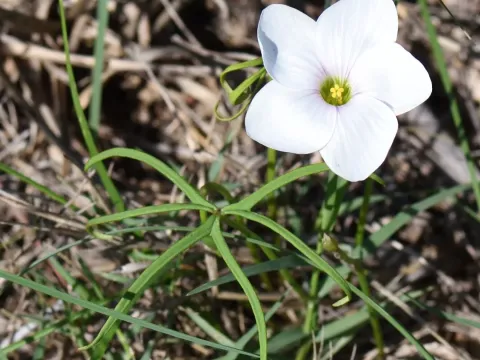
Oxalis smithiana
Oxalis smithiana
Planting of Oxalis smithiana should take place during the spring when the soil has sufficiently warmed, typically after the danger of frost has passed.
What the section contains
Oxalis smithiana
The bulbs should be planted at a depth of 3 to 5 centimeters, ensuring adequate space of 10–15 centimeters between plants to allow for healthy foliage development.
In regions with cooler climates, greenhouse or indoor cultivation is recommended, starting the planting process as early as late winter to maximize the growing season.
The planting site should be prepared with well-draining soil, potentially amending heavy soils with sand or perlite to improve aeration and moisture management.
Proper orientation of the planting site ensures that the plants receive adequate morning light while remaining protected from harsh, direct afternoon sun that can dehydrate them.
Oxalis smithiana, a member of the Oxalidaceae family, requires light, well-draining soil with a neutral to slightly acidic pH level to thrive optimally.
Water management is crucial for this species; it requires regular irrigation during the growing phase but is highly sensitive to waterlogged conditions.
The plant prefers a bright environment with indirect sunlight, as direct exposure can scorch the leaves and significantly reduce the aesthetic appeal of the foliage.
Temperature requirements are moderate, with the plant performing best in conditions between 18 and 24 degrees Celsius, avoiding exposure to frost or extreme heat.
Nutrient requirements are generally low to moderate; a light application of balanced liquid fertilizer during the peak growth period can enhance vitality and flowering.
The primary threats to Oxalis smithiana include fungal pathogens such as grey mold, which typically proliferate in humid, stagnant air or waterlogged conditions.
Pests such as spider mites and aphids are known to target the foliage, especially in indoor environments where the air may be too dry for the plant's health.
Root rot remains the most common cultural issue, caused primarily by poor soil drainage or excessive watering that leads to the suffocation of the bulbs.
Management strategies involve keeping the foliage dry, ensuring good ventilation around the plants, and using appropriate fungicides or insecticides when necessary.
Early detection through regular inspection is vital to preventing the spread of diseases, allowing for quick intervention before the infestation becomes severe.