
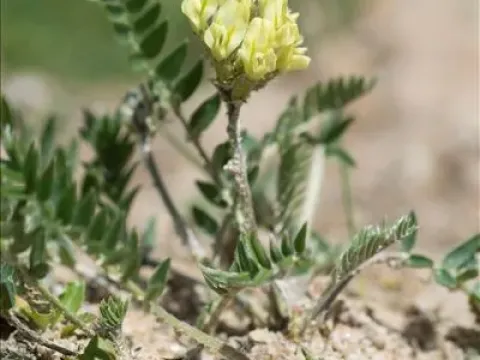
Oxytropis nuriae
Oxytropis nuriae
Oxytropis nuriae is a rare herbaceous perennial belonging to the Fabaceae family. This species is recognized for its unique adaptation to high-altitude environments, primarily concentrated in the Pyrenees region, demonstrating remarkable resilience to harsh mountainous conditions.
What the section contains
Oxytropis nuriae
Botanically, the plant exhibits a compact, rosette-like growth habit with densely pubescent foliage. This morphological feature is a physiological response to high solar radiation and low temperatures, enabling the plant to maintain water balance in extreme alpine settings.
The root system of Oxytropis nuriae is highly developed and deep-reaching, allowing it to anchor securely in rocky substrates and exploit mineral resources from deep soil layers. This characteristic is vital for its survival in nutrient-poor and unstable environments.
Regarding soil requirements, the species demands exceptionally well-drained, porous media. It thrives in stony, neutral-to-alkaline soils and does not tolerate waterlogging or high moisture levels, which can lead to rapid decay of the crown and root collar.
In terms of agricultural significance, this plant is primarily valued as a germplasm resource for breeding programs aiming to develop stress-tolerant legumes. Its genetic makeup holds potential for improving drought resistance and frost tolerance in related forage crops.
The primary threats to Oxytropis nuriae are related to climate change and the loss of its specific ecological niche. As an endemic plant, it lacks the adaptability to compete with faster-growing invasive species in changing habitats.
Under natural conditions, the plant faces pressures from localized herbivores and certain insects that target its reproductive organs. These insects can significantly reduce the viability of seed production, complicating efforts to conserve the species.
When grown in non-native or controlled environments, the most common threats are fungal pathogens associated with dampness. Proper aeration and careful monitoring of irrigation are essential to prevent outbreaks of root-rot-causing fungi such as Pythium or Rhizoctonia.
Human activities, such as overgrazing and trampling, pose severe risks to population health. The slow growth rate of the plant means that recovery from physical damage takes significant time, making it highly susceptible to habitat degradation.
Sustainable management involves protecting the remaining native sites from intrusion. In research or conservatory settings, maintaining the correct soil pH and moisture levels is critical to mitigating the risks of disease and maintaining overall plant vigor.