
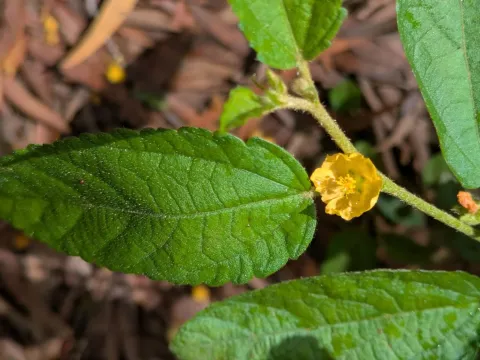
Sidastrum
Sidastrum
Sidastrum is a genus of flowering plants belonging to the Mallow family (Malvaceae). These plants are native to the tropical and subtropical regions of the Americas, where they thrive in diverse ecological niches.
What the section contains


Sidastrum
The crop requires a warm climate with consistent temperatures to facilitate rapid growth. Exposure to frost is detrimental, necessitating a long frost-free growing season for outdoor production or the use of climate-controlled facilities.
Optimal growth is observed in well-drained, sandy-loam soils. Proper soil structure is essential, as the roots are highly susceptible to rot when subjected to prolonged waterlogging or poor drainage conditions.
Cultivation practices involve maintaining adequate nutrient levels, specifically targeting phosphorus and potassium to strengthen stem development. Regular weeding is necessary during the early stages of establishment to prevent competition.
The primary agricultural interest in Sidastrum lies in its fiber production potential. Its stems contain bast fibers that are investigated for use in sustainable textiles and bio-based industrial materials due to their durability.
Common pests affecting Sidastrum include spider mites and whiteflies, which frequently infest plants in greenhouse environments or during periods of drought.
Powdery mildew is a significant fungal threat, characterized by white mycelial growth on leaf surfaces, often triggered by poor ventilation and high humidity.
Root pathogens, particularly species causing damping-off, represent a major risk during the seedling phase if the growth medium remains overly saturated with water.
Integrated pest management strategies are recommended, including the use of sticky traps and biological control agents to manage insect populations naturally.
Crop rotation is crucial to break the life cycles of soil-borne pathogens and to maintain long-term soil health for sustainable production of this fiber crop.