
Sphaeralcea bonariensis
Sphaeralcea bonariensis
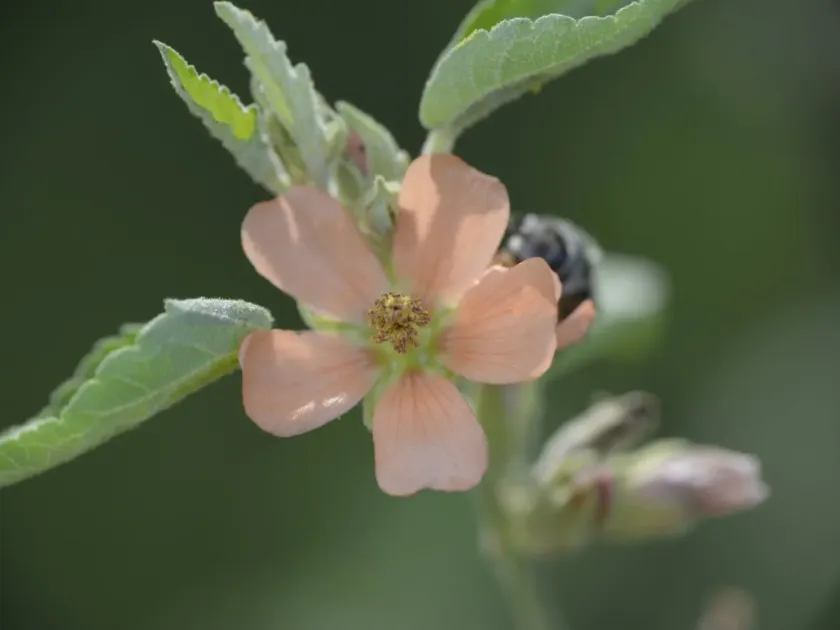
Description
Growing requirements
Sphaeralcea bonariensis is a perennial herbaceous plant or subshrub native to South America, specifically the Rio de la Plata region. As a member of the Malvaceae family, it shares typical characteristics of mallows, including distinct floral structures and strong, hairy stems adapted to its natural environment.
Botanically, the plant is distinguished by its silvery-green, pubescent leaves, which serve as a natural mechanism to reduce transpiration in sunny, open habitats. The flowers usually bloom in vibrant hues, contributing to its popularity in specific horticultural niches that favor native, low-maintenance vegetation.
Regarding soil requirements, Sphaeralcea bonariensis demands well-drained conditions. It thrives in sandy or rocky soils where water does not pool, preventing root rot. The species is highly sensitive to waterlogged environments, making soil structure a critical factor for successful establishment.
Climate preferences for this culture include regions with high solar radiation and mild winters. It is categorized as a drought-tolerant species, making it an excellent candidate for xeriscaping in arid or semi-arid climatic zones where water conservation is a priority for agricultural and garden planning.
The primary horticultural use of this plant is decorative. Its ability to maintain beauty during hot, dry summers makes it a valuable asset for professional landscaping projects that require sustainable and hardy plant species that can withstand harsh environmental pressures.
Main diseases and pests
The plant can be susceptible to fungal diseases such as rust or mildew if kept in conditions of high humidity with poor airflow. Maintaining adequate spacing between individual plants is the best preventive measure to ensure the foliage remains healthy and dry.
Pests such as spider mites and aphids are the most common threats to the health of Sphaeralcea bonariensis, especially in dry and hot conditions. Integrated pest management, including the use of neem oil or insecticidal soaps, is recommended when infestations are detected on the underside of the leaves.