
Fendler's globemallow
Sphaeralcea fendleri
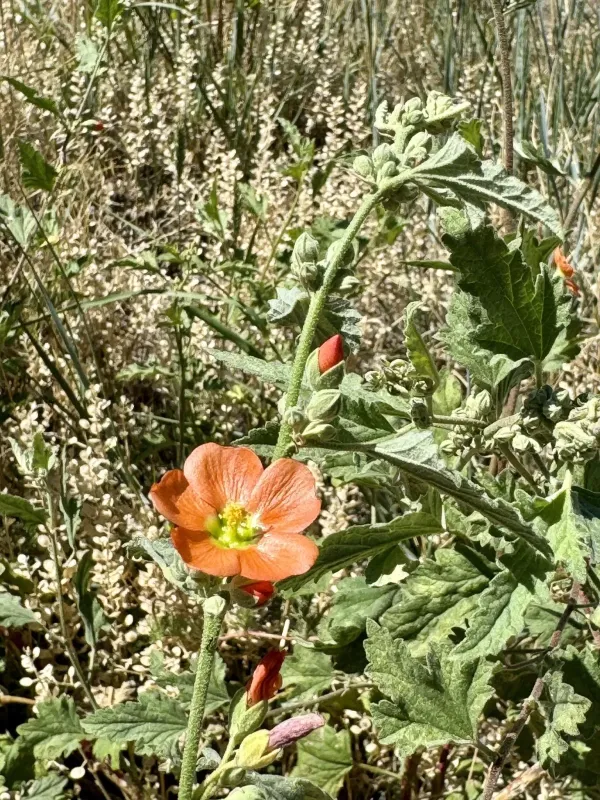
Description
Sowing dates
Sowing of Fendler's globemallow seeds is preferably carried out in early spring, once the soil has warmed to steady positive temperatures. The seeds require stratification to enhance germination rates, a step that should be planned well in advance of the planting season.
The optimal planting depth is shallow, usually 1 to 2 centimeters, as the seeds are fine and need sufficient contact with moist soil to germinate successfully. Sowing is typically done in rows with wide spacing to simplify subsequent field management.
While the plant propagates through self-seeding in the wild, cultivation requires the distribution of prepared seed material onto well-prepared beds or cleared field areas.
A critical success factor is ensuring that there is no water accumulation in the seed germination zone; therefore, selected plots should have a slight slope or highly permeable soil structure.
After sowing, light rolling is recommended to facilitate capillary water movement to the seeds, which significantly accelerates the emergence of uniform seedlings.
Growing requirements
Fendler's globemallow is a classic xerophyte, perfectly adapted to the harsh conditions of arid regions. The crop is highly photophilous and requires full sun exposure throughout the entire day for optimal growth and flowering.
The plant is not overly demanding regarding soil types and thrives in stony, sandy, and gravelly substrates. Heavy clay soils with poor drainage are unsuitable as they can lead to root rot during wet seasons.
The ideal soil pH ranges from neutral to slightly alkaline. The species shows significant tolerance to salinity, making it a potential candidate for the remediation of degraded or saline soils.
The plant demonstrates remarkable thermal resilience, tolerating extreme summer heat as well as moderate frost, which helps it maintain its vegetative organs throughout variable seasons.
Agricultural management requires minimal intervention, primarily focusing on weed control during the first year of establishment until the plant develops a deep taproot that provides autonomous nutrient uptake.
Main diseases and pests
Fendler's globemallow exhibits a robust natural resistance to most common pathogens found in temperate agricultural zones, largely due to its inherent phytochemical properties.
The primary threat comes from root-based fungal infections, which occur almost exclusively under conditions of excessive soil moisture or poor field drainage.
While pests such as aphids or spider mites may occasionally target tender young shoots, the risk of mass infestation is minimal when planting density is managed correctly and nitrogen levels are kept balanced.
Gastropods, specifically slugs, can pose a minor threat during the earliest stages of germination by damaging succulent cotyledons as they emerge from the soil.
Routine crop monitoring is advised to detect early signs of disease, allowing for targeted management using copper-based treatments or biological fungicides if necessary.