
Sphaeralcea polychroma
Sphaeralcea polychroma
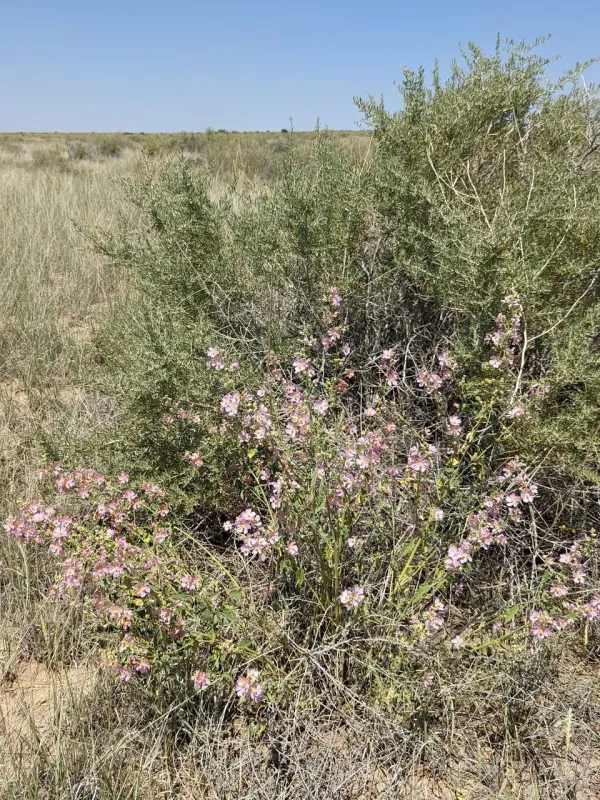
Description
Sowing dates
Sowing of Sphaeralcea polychroma seeds is best performed in early spring once soil temperatures have consistently risen above 15 degrees Celsius for optimal germination.
Seeds should be sown at a shallow depth of approximately 0.5 to 1 centimeter, as light is a beneficial trigger for the uniform emergence of the seedlings.
For large-scale cultivation, drilling in rows with precise seed spacing is recommended to reduce the need for manual thinning later in the growing season.
Seedbed preparation should involve fine tilth and adequate aeration to ensure that the small seeds maintain consistent contact with the soil moisture.
Using a starter fertilizer during the sowing process can significantly improve early seedling vigor and help plants establish a robust root system before summer heat.
Growing requirements
As a member of the Malvaceae family, Sphaeralcea polychroma is highly adapted to arid and semi-arid environments, favoring sunny and well-ventilated locations.
The crop demands excellent drainage; it thrives in sandy or gravelly soil types where water does not pool, preventing the common issue of root rot.
It displays remarkable drought tolerance due to its deep taproot system, which allows it to access groundwater during periods of limited surface irrigation.
Soil pH levels should remain in the slightly acidic to neutral range, typically between 6.5 and 7.5, for the best nutrient bioavailability.
Maintaining proper spacing between individual plants is crucial to avoid humidity buildup around the foliage, which is essential for maintaining plant health.
Main diseases and pests
Root rot caused by Phytophthora species is the most severe threat when soil drainage is insufficient, often leading to rapid plant mortality in wet years.
Powdery mildew can occur if the plant is grown in shaded or overly humid conditions, forming a white, dusty fungal layer on the leaves and stems.
Insect pests such as aphids and spider mites can colonize the plant during dry spells, causing chlorosis and stunted growth of the terminal shoots.
Integrated pest management strategies should be employed, prioritizing cultural controls like proper spacing to discourage fungal pathogen establishment.
If chemical interventions are necessary, choosing systemic fungicides or insecticides compatible with the local ecosystem is recommended for sustainable production.