
Sphaeralcea hybrids
Sphaeralcea hybrids
Description
Growing requirements
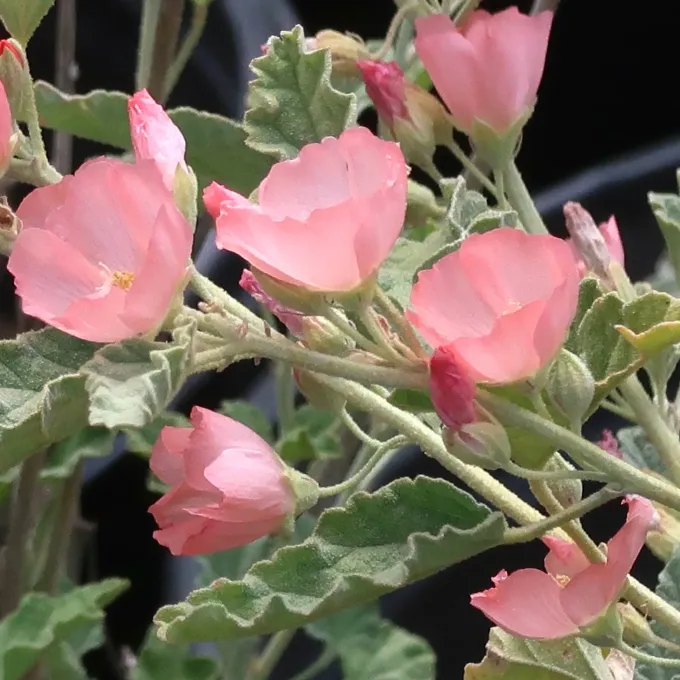
Sphaeralcea hybrids, commonly known as globe mallows, are resilient perennial shrubs belonging to the Malvaceae family. Originating from arid regions of the Americas, these plants are renowned for their ability to thrive in challenging environments where water availability is limited.
Successful cultivation requires full sun exposure and extremely well-draining soil. This plant is perfectly adapted to poor, rocky, or sandy substrates, making it an ideal candidate for xeriscaping and sustainable garden designs that prioritize water conservation.
The climate requirements center on heat tolerance and the avoidance of high humidity. While they can handle some winter frost, they are highly susceptible to crown and root rot if the soil remains wet during the dormant season, necessitating a strategic location in the landscape.
Botanically, Sphaeralcea is characterized by its grayish, pubescent leaves that minimize transpiration. The plant produces dense spikes of cup-shaped flowers, which provide a vivid splash of orange, red, or pink, depending on the specific hybrid selection.
Its primary agricultural and ornamental use is in dry-climate landscaping. Due to its deep root system, it is frequently utilized for slope stabilization and creating low-maintenance borders that support local pollinators without requiring regular irrigation.
Main diseases and pests
The most significant threat to Sphaeralcea hybrids is fungal disease, primarily root rot, caused by overwatering or poorly drained soil. Maintaining a dry root zone is the most critical factor in preventing plant mortality.
Powdery mildew can occur in areas with poor airflow or high humidity levels. Cultural practices such as proper spacing and avoiding overhead irrigation are essential to mitigate the risk of fungal outbreaks in garden settings.
Pests such as spider mites and aphids are common in hot, dry conditions. These insects target the foliage, causing stippling or yellowing, which reduces the overall aesthetic and vigor of the ornamental shrub.
- Monitor leaf undersides for early signs of aphid infestation.
- Ensure adequate spacing of at least 60-90 cm between individual plants.
- Apply gravel mulch to keep the root crown dry and prevent moisture accumulation.
Effective pest management involves integrated control methods, including manual removal of small infestations and the judicious use of horticultural soaps or specific acaricides when necessary to protect the plant's health.