
Sphaeralcea incana
Sphaeralcea incana
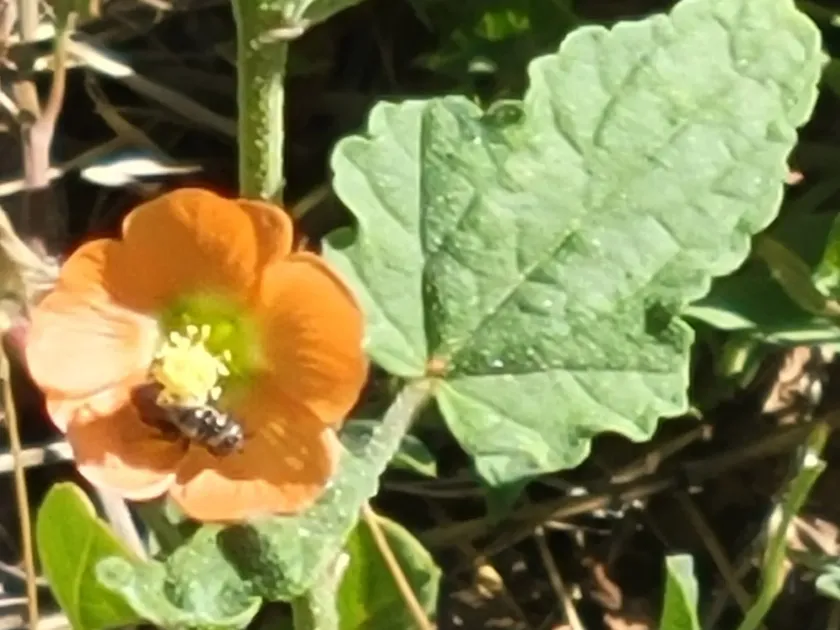
Description
Growing requirements
Sphaeralcea incana, commonly known as grey globe mallow, is a perennial herbaceous plant belonging to the Malvaceae family. In its natural habitat, it functions as a subshrub that exhibits high adaptability to harsh environmental conditions.
This crop is characterized by exceptional drought tolerance, making it a promising candidate for cultivation in arid regions. It prefers well-drained, sandy, or rocky soils, effectively utilizing sites with low nutrient content.
The plant possesses a robust root system, allowing it to extract moisture from deep soil layers. High-insolation areas are optimal for its growth, where the crop can fully express its vegetative potential.
For successful integration into agricultural practices, one must avoid waterlogging and heavy clay soils prone to water retention. The crop reacts negatively to high water tables, which can lead to root rot issues.
Sphaeralcea incana is also valued as an ecologically plastic species capable of withstanding the significant temperature fluctuations common in the desert and semi-desert zones of North America.
Main diseases and pests
Like many members of the Malvaceae family, Sphaeralcea incana can be susceptible to specific rust fungi. Maintaining spatial isolation from other mallow-family crops is essential for crop health.
Typical regional pests include various weevils and spider mites, which may damage the leaf blades during extended dry spells. Systemic insecticides are generally required only during mass outbreaks.
Improper irrigation management often triggers the development of powdery mildew. Prevention focuses on ensuring adequate airflow between rows and managing overall crop density.
Weed competition poses the greatest threat during the initial stages of crop development. Seedlings grow at a slow rate, making timely weeding a prerequisite for successful establishment.
Viral infections are rare in this species; however, the use of certified seed material that has undergone phytosanitary inspection is recommended for protecting future harvests.