
Sphaeralcea pedatifida
Sphaeralcea pedatifida
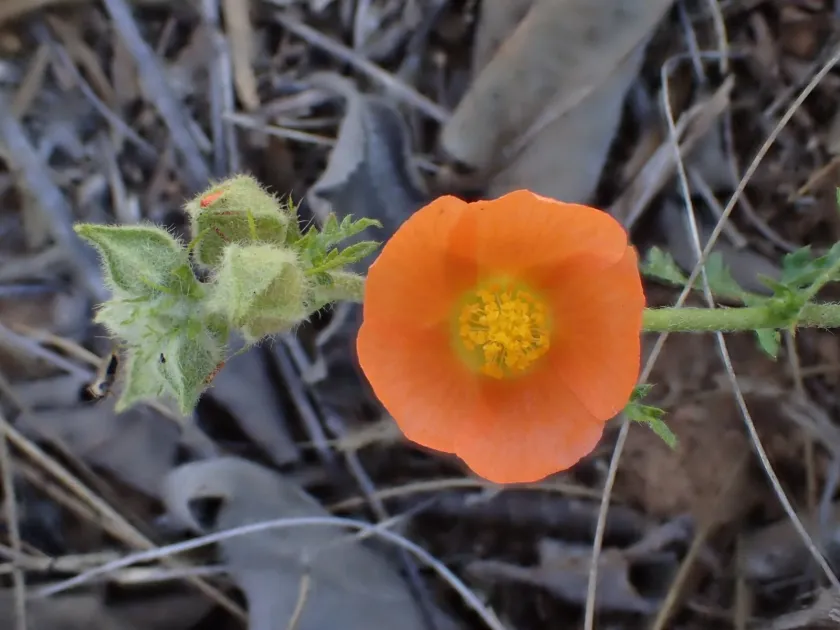
Description
Sowing dates
Sphaeralcea pedatifida, belonging to the Malvaceae family, is a resilient plant species adapted to arid environments. Propagation is primarily achieved through seeds, which should be collected once they fully mature at the end of the season.
Sowing should take place in late spring when the soil temperature consistently stays above 20 degrees Celsius. The seeds require well-drained, sandy soil to germinate successfully without risk of damping off.
It is recommended to plant seeds at a shallow depth of approximately 0.5 to 1 centimeter. Providing light irrigation during the germination phase is beneficial, though the soil must never remain waterlogged.
When planting, maintain a spacing of at least 45 centimeters between individual plants to accommodate their growth and ensure adequate air circulation. Overcrowding can lead to humidity buildup around the base.
For regions with limited growing seasons, starting seeds in containers indoors several weeks before the last frost is a viable strategy to ensure establishment before the heat of midsummer.
Growing requirements
This species is a quintessential xerophyte, requiring full sun exposure for the majority of the day. Exposure to direct sunlight is crucial for maintaining the plant's structural integrity and prolific flowering.
Soil requirements are relatively modest; the plant thrives in poor, rocky, or sandy soils. Excellent drainage is the most critical factor, as stagnant water is detrimental to the survival of this species.
Sphaeralcea pedatifida is highly drought-tolerant once established. It rarely requires supplemental watering, making it an excellent choice for low-maintenance landscaping and sustainable garden design.
The ideal soil pH should be neutral to slightly alkaline. The plant does not require heavy fertilization, and excessive nutrients may negatively affect its natural adaptation to lean soil conditions.
During the growing season, moderate maintenance is required. Keeping the area free from competing weeds is sufficient to ensure the health and vigor of the plants throughout the cycle.
Main diseases and pests
The primary threat to the health of Sphaeralcea pedatifida is fungal disease caused by excess moisture. Root rot is the most common issue in poorly drained soils, particularly during periods of heavy rain.
Powdery mildew may occur if air circulation is insufficient or if humidity levels remain high for extended periods. Pruning affected parts and improving site airflow usually resolves these minor issues.
Spider mites can occasionally infest the foliage, especially in very hot and dry conditions. Regular inspections are recommended, and outbreaks can be managed with standard horticultural soaps or oils.
Caterpillars feeding on the leaves can cause aesthetic damage, though they rarely threaten the survival of mature plants. Manual removal is often the most effective method for small-scale gardening.
Due to its native adaptation, the plant possesses a strong natural defense system, and serious infestations are uncommon when the plant is grown in its preferred environmental niche.