
Sphaeralcea parvifolia
Sphaeralcea parvifolia
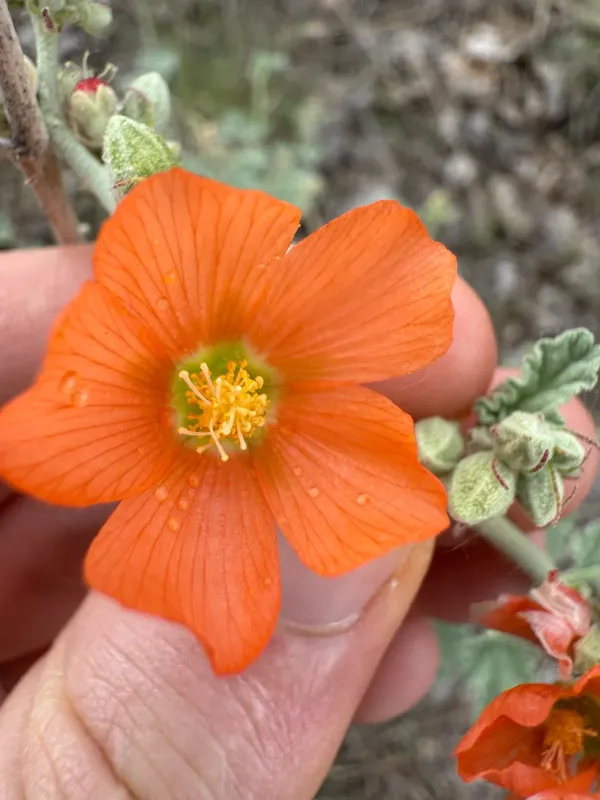
Description
Growing requirements
Sphaeralcea parvifolia, commonly known as small-leaf globemallow, is a perennial shrub belonging to the Malvaceae family. This species is highly valued for its exceptional ability to thrive in arid and semi-arid desert environments.
The plant originates from the Southwestern United States and Northern Mexico. It is specifically adapted to rocky, well-draining soils and high-temperature climates where traditional agricultural crops would fail to survive without significant irrigation.
In terms of soil requirements, this culture demands excellent drainage above all else. It is highly intolerant of waterlogging, which often results in root rot and structural failure of the plant tissue.
Optimal growth conditions involve full sun exposure throughout the growing season. Adequate solar radiation is critical for maintaining the plant's natural compact shape and supporting its prolific blooming cycles.
From a land management perspective, Sphaeralcea parvifolia is used for erosion control and landscape restoration in arid areas. Its deep, fibrous roots stabilize sandy and gravelly soils effectively.
Main diseases and pests
The primary threats to the health of this culture are fungal infections associated with excessive soil moisture. Proper site selection and drainage management are the most effective preventative strategies against these pathogens.
Insect pests such as aphids and various types of weevils can cause significant damage to the foliage. Monitoring programs should be implemented to identify potential infestations early in the vegetative phase.
Vascular wilt diseases caused by soil-borne pathogens can be devastating if the plant is grown in unfavorable conditions. Crop rotation is advised to mitigate the risk of pathogen buildup in the soil.
When selecting pest control measures, it is essential to consider the impact on beneficial pollinators, as the flowers of Sphaeralcea parvifolia are highly attractive to local bee populations.
In conclusion, keeping the plant healthy requires a balance of minimal irrigation and protection from high-humidity conditions. Proper spacing in plantings also helps reduce the spread of fungal diseases.