
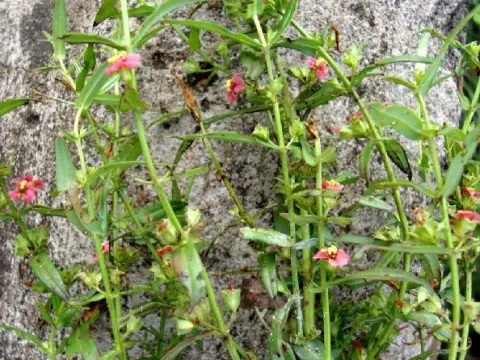
Ammannia octandra
Ammannia octandra
Ammannia octandra is a species within the Lythraceae family, known for its preference for aquatic and semi-aquatic habitats. This crop thrives in conditions that mimic tropical wetlands, making it a unique subject for agricultural studies in specialized environments.
What the section contains
Ammannia octandra
The primary requirement for successful cultivation is consistent soil moisture or complete submersion in shallow water. The plant performs best in nutrient-rich, organic-heavy sediments that provide a stable foundation for its delicate root system.
Light intensity plays a critical role in the physiological development of the plant. High levels of irradiance are required to maintain a robust, upright growth habit, as shaded conditions often lead to etiolation and decreased overall harvestable biomass.
The climate requirements dictate that this crop can only be successfully cultivated in tropical or subtropical zones where temperatures remain high year-round. Any drop in temperature below the threshold can significantly retard growth rates and physiological processes.
Agricultural management involves the careful monitoring of water quality parameters, including pH and dissolved mineral content. Maintaining these parameters within an optimal range is essential for preventing nutrient deficiencies and promoting uniform crop maturity.
Plant health is often challenged by fungal pathogens that flourish in warm, stagnant water environments. Root rot remains the most significant threat to yields, particularly when water circulation is inadequate or the sediment becomes anaerobic.
Insect pests such as leaf-eating larvae and sap-sucking insects can cause considerable damage to the foliage. Integrated pest management, focusing on early detection and biological control agents, is recommended to maintain the viability of the crop.