
Ammannia prieuriana
Ammannia prieuriana
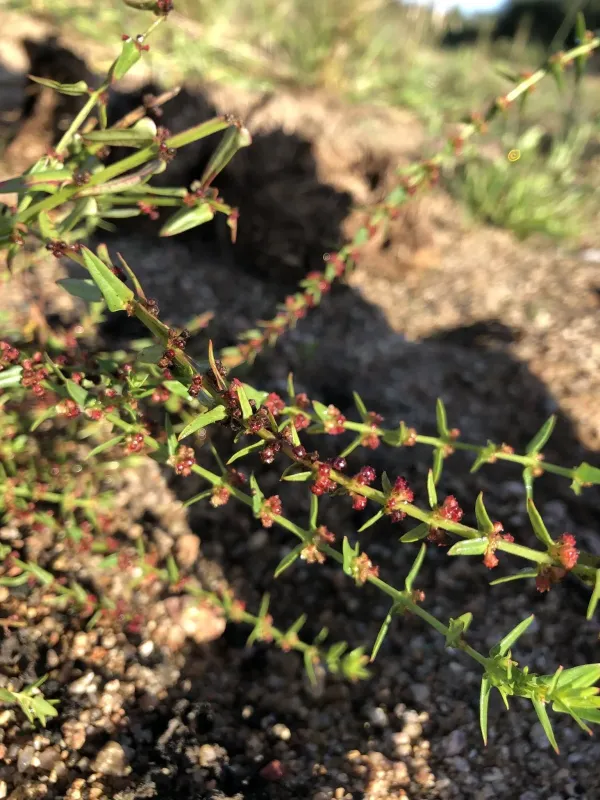
Description
Growing requirements
Ammannia prieuriana is a member of the Lythraceae family, a diverse group of plants often found in moist or aquatic environments. This species is native to tropical Africa and is typically associated with seasonal wetlands, riverbanks, and marshy landscapes.
The plant exhibits herbaceous growth with a characteristic upright structure. Its leaves are usually opposite, exhibiting a lanceolate shape that facilitates effective gas exchange in humid environments. The stem morphology allows it to adapt to fluctuating water levels in its native habitat.
Optimal growth requires consistent tropical temperatures, ideally between 24°C and 29°C. The species thrives in high light intensity, which is critical for maximizing its metabolic activity and vegetative development throughout the year.
Soil requirements focus on high water retention and organic content. Silty, nutrient-rich soils that mimic natural floodplain conditions are preferred. The substrate should be maintained in a saturated state to prevent stress and support the development of a healthy root system.
Effective agrotechnical practices involve careful water management. Whether grown in traditional soil beds or specialized systems, maintaining a consistent moisture level is the primary driver of high-quality growth and biomass accumulation for this specific taxon.
Main diseases and pests
Cultivation of Ammannia prieuriana can be hindered by various pests, particularly those that frequent moisture-rich environments. Aphids and spider mites are known to colonize the foliage in closed environments, potentially causing significant damage to the plant's aesthetic and biological integrity.
Fungal pathogens represent a primary threat, particularly in environments with stagnant air and high humidity levels. Root rot and stem blight are common issues that arise when the soil medium remains too dense, preventing oxygen from reaching the roots.
Preventative measures are essential, such as ensuring proper spacing between plants to encourage airflow. This reduces the risk of moisture accumulation on the leaves, which is a major catalyst for the development of fungal spores and subsequent infections.
In addition to pests and pathogens, nutrient deficiencies can lead to severe stress, characterized by the yellowing of leaf tissues. Regular soil analysis is recommended to maintain the necessary mineral balance required for robust physiological performance.
Integrated pest management protocols should be followed, prioritizing biological controls and environmental optimization over chemical interventions to maintain the health of the plant population and the surrounding ecosystem.