
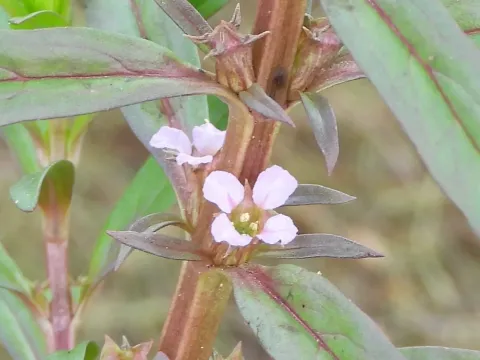
Ammannia humilis
Ammannia humilis
Ammannia humilis is a herbaceous species belonging to the Lythraceae family. It is widely recognized for its preference for wetland habitats and is frequently cultivated in aquarium settings or specialized hydroponic systems.
What the section contains
Ammannia humilis
The plant thrives in high-light conditions, which are essential for maintaining its structural integrity and vibrant coloration. Optimal growth is observed at temperatures ranging between 22 and 28 degrees Celsius.
Rich, nutrient-dense soil or aquatic substrate is required to support its development. The plant prefers a neutral to slightly acidic pH, which facilitates the efficient uptake of essential mineral nutrients.
Adequate water circulation or humidity control is critical for the success of this crop. As an emergent or submerged plant, it requires stable environmental parameters to avoid stress and ensure continuous vegetative growth.
Botanically, it features opposite leaves and a sturdy stem that can adapt to different water levels. Providing sufficient space for the root system is vital to prevent overcrowding and to promote healthy foliage development.
Fungal infections remain a primary concern, especially in environments with poor air circulation or stagnant water. Prompt removal of decaying leaves is necessary to maintain a healthy ecosystem for the plants.
Pests such as spider mites and aphids can affect plants grown in greenhouse or emersed conditions. Integrated pest management strategies are recommended to protect the crop without damaging its delicate leaves.
Iron deficiency is a common physiological threat, leading to chlorosis where the leaves turn pale or yellow. Supplementing the growth medium with chelated iron is a standard practice for maintaining plant vigor.
Algal blooms can compete with Ammannia humilis for light and nutrients, significantly reducing its growth rate. Maintaining a proper balance of fertilizers and light duration is crucial for competitive advantage.
Mechanical damage during transplantation or handling can expose the plant to infections. Careful handling and acclimation processes are essential to ensure the plant successfully establishes itself in a new environment.