
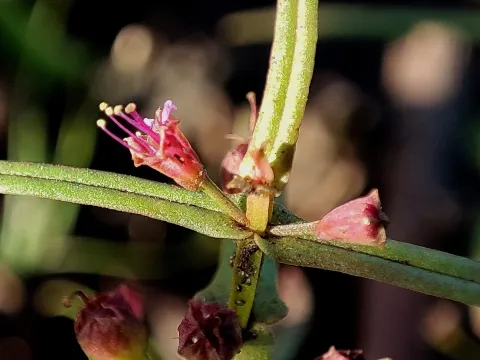
Ammannia microcarpa
Ammannia microcarpa
Ammannia microcarpa is a notable member of the Lythraceae family. This herbaceous species is characterized by its semi-aquatic growth habit, making it an essential component of specific wetland ecosystems across its native tropical regions.
What the section contains
Ammannia microcarpa
The plant originates from the African continent, thriving in regions with high humidity. It is commonly found in marshy areas, riverbanks, and temporary wetlands, where the substrate remains consistently waterlogged throughout the growth cycle.
Botanically, it displays opposite, linear leaves and distinct, small fruit capsules. The plant's structure is adapted to water, allowing it to efficiently absorb nutrients from the surrounding environment through both its root system and stems.
Ideal conditions for Ammannia microcarpa include warm temperatures ranging from +22°C to +28°C and significant light exposure. It acts as a bio-indicator of water quality, requiring clean, nutrient-rich environments to maintain its vibrant growth patterns.
In terms of usage, this plant is primarily valued in ornamental aquatic gardening and specialized ecological restoration projects. Its ability to process excess nutrients makes it a natural filter for small artificial ponds and botanical setups.
Environmental stress, specifically drought or rapid dehydration of the soil, poses the greatest threat to Ammannia microcarpa, leading to immediate decline in health and permanent loss of photosynthetic tissue.
Pathogenic challenges include stem rot and fungal infections, which often occur when water movement is stagnant or when organic material accumulates excessively around the base of the plant.
Pests such as aquatic snails and certain coleopteran larvae may feed on the tender leaves, causing cosmetic damage and reducing the overall vigor of the plant population in closed environments.
Biological competition with invasive algae or faster-growing aquatic weeds can restrict the light available to Ammannia, ultimately leading to its suppression in natural or cultivated habitats.
Maintaining a stable chemical balance in the water column is essential. Excessive alkalinity or acidity can cause nutrient lock-out, making it difficult for the plant to thrive even when environmental conditions appear suitable.