
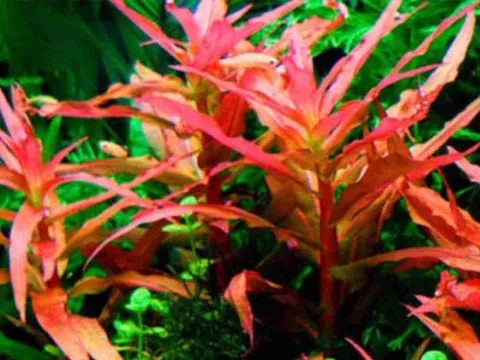
Ammannia ritchiei
Ammannia ritchiei
Ammannia ritchiei is a perennial herbaceous plant belonging to the Lythraceae family. Naturally distributed in tropical and subtropical regions, this species is typically associated with wetlands, riverbanks, and areas with consistently saturated soil conditions.
What the section contains
Ammannia ritchiei
The botanical structure of this plant features rigid, erect stems and opposite leaves that showcase a remarkable range of colors. Depending on the intensity of light and nutrient availability, the plant can transition from deep green to vibrant shades of red and purple, making it a focus of botanical interest.
Environmental requirements focus heavily on temperature and humidity stability. Being a tropical species, it thrives in warm climates where thermal fluctuations are minimal, as extreme temperature drops can cause the plant to enter a state of dormancy or lead to tissue damage.
Soil management for this culture requires a nutrient-dense substrate with excellent moisture retention capabilities. The plant is particularly sensitive to soil pH, preferring a slightly acidic to neutral environment to ensure optimal nutrient uptake and robust growth throughout the season.
Regarding its utility, Ammannia ritchiei is primarily utilized in ornamental horticulture and advanced aquatic landscaping. Its unique versatility in adapting to both submerged and emersed conditions allows it to serve as a standout specimen in botanical displays and specialized freshwater installations.
Major threats to the crop include fungal diseases such as leaf spots and root decay, which are often exacerbated by poor air circulation or over-saturation of the substrate. Maintaining a hygienic growing environment is essential for preventing the spread of these pathogens.
Pest management is focused on controlling sap-sucking insects like aphids and spider mites, which can quickly degrade the foliage. Integrated pest management strategies, emphasizing early detection and the use of eco-friendly insecticidal soaps, are recommended to preserve plant health.