
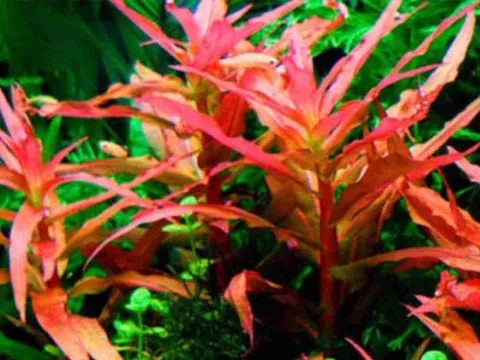
Ammannia pentandra
Ammannia pentandra
Ammannia pentandra is an annual herb belonging to the Lythraceae family. It is widely recognized for its preference for wetland environments and its ability to thrive in saturated soil conditions.
What the section contains
Ammannia pentandra
The germination process typically begins when the soil temperature consistently reaches optimal levels during the spring and early summer seasons.
Growth intensity is driven by high humidity and temperature, allowing the plant to develop its structure quickly in suitable hydrological conditions.
The reproduction strategy is highly efficient, relying on the dispersal of seeds that adapt well to flooded environments, often leading to rapid colonization.
Field management requires early monitoring to ensure that the development of the plant does not negatively impact the surrounding cropping system.
The fundamental requirement for Ammannia pentandra is a consistently moist or waterlogged substrate, making it a distinct hydrophyte in its preferred habitat.
Sufficient solar radiation is necessary to sustain the metabolic processes and prevent the plants from becoming etiolated due to competition for space.
Nutrient-rich soils, particularly those high in organic matter, provide the best conditions for achieving significant biomass production throughout the season.
The ideal climatic conditions involve warm temperatures and high air humidity, which prevent the plant from suffering water stress during peak growth phases.
Effective soil drainage management is important even for aquatic plants to ensure that water circulation provides adequate oxygen to the root system.
Fungal diseases, including various types of rot and mildew, represent the most significant threat to the health of Ammannia pentandra, especially in stagnant water.
Insects such as leaf-feeding beetles often utilize the leaves as a food source, leading to substantial damage during the active growing season.
Chemical control measures should be applied carefully, following integrated pest management protocols to protect the overall ecosystem health.
Monitoring for secondary infections caused by mechanical damage is essential to maintain the vitality of the plant population throughout the year.
Standard agrotechnical practices, such as proper cleaning of irrigation canals, significantly reduce the pressure from various pests and diseases.