
Artanema
Artanema
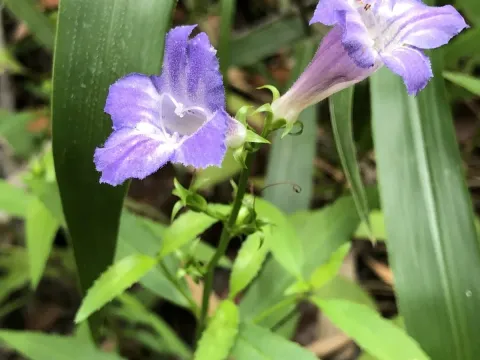
Artanema is a genus of herbaceous plants belonging to the Scrophulariaceae family. The most commonly documented species is Artanema longifolium, which is valued for its unique floral structure and aesthetic appeal in tropical gardening.
What the section contains


Artanema
The plant originates from tropical regions of Asia, including India, and parts of Australia. Due to its tropical nature, it is often treated as an ornamental indoor or greenhouse plant in temperate agricultural zones.
Successful cultivation requires soil that is rich in organic matter and possesses excellent drainage capabilities. The preferred soil pH is slightly acidic to neutral, which ensures optimal nutrient uptake for the plant's development.
Temperature management is critical, as Artanema thrives in a range between 20 and 25 degrees Celsius. It requires protection from extreme cold and frost, which can be lethal to the plant's sensitive tissues.
Standard agronomic practices for this crop involve consistent hydration without waterlogging. Pruning and pinching back the stems during the vegetative phase encourage a bushier growth habit and more abundant flowering cycles.
Common pests affecting Artanema include spider mites and aphids, which frequently target the leaves and tender shoots. Integrated pest management using insecticidal soaps or horticultural oils is recommended for effective control.
Fungal issues, such as root rot and leaf spot, are typical problems caused by poor drainage or excessive atmospheric humidity. Maintaining proper air circulation around the plants is the most effective preventive measure against such pathogens.