
Artanema longifolium
Artanema longifolium
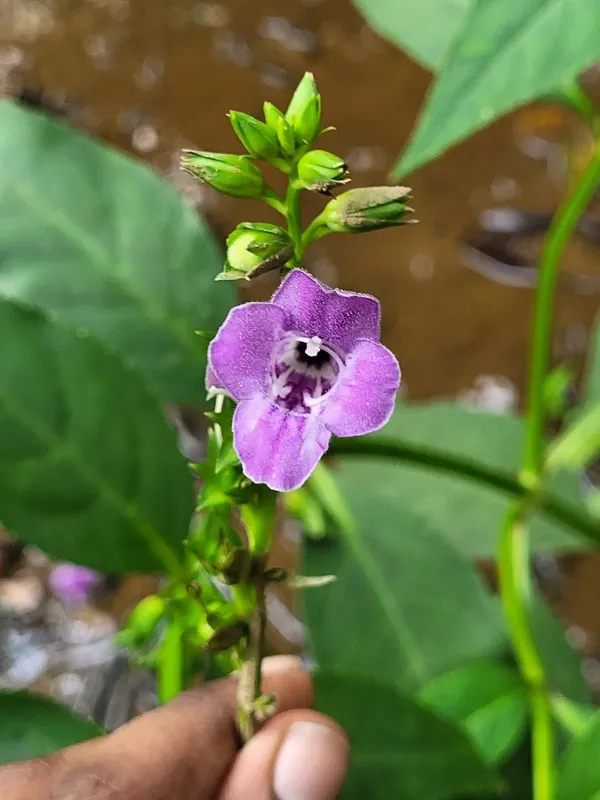
Description
Growing requirements
Artanema longifolium is a herbaceous plant species belonging to the Plantaginaceae family. Originally found in the tropical regions of Southeast Asia, including India and Vietnam, it grows in moist, shaded environments, often found near riverbanks or in forest clearings.
To cultivate this crop successfully, growers must prioritize soil quality. It requires loose, well-draining soil rich in organic matter. Maintaining a slightly acidic to neutral pH balance is crucial for optimal nutrient uptake in this specific plant.
The climate requirements for Artanema longifolium are strictly tropical. It flourishes in consistent temperatures between 22°C and 28°C. Cold exposure must be avoided, as even mild frost can cause significant damage or death to the plant's delicate stems.
Proper irrigation management is vital. The soil should remain consistently moist, but not waterlogged. In a greenhouse setting, growers use humidity sensors to ensure that the surrounding atmosphere mimics the natural tropical moisture levels required for healthy leaf development.
Light management involves providing bright, indirect sunlight. Exposure to harsh midday sun often leads to leaf necrosis. Implementing light-filtering curtains or greenhouse shade cloth is a standard practice for managing the lighting conditions in intensive cultivation.
Main diseases and pests
Common threats to Artanema longifolium include fungal infections such as root rot and stem blight. These diseases are usually triggered by excessive moisture combined with poor ventilation, which encourages the growth of pathogenic fungi in the root zone.
Spider mites are the most persistent pest for this species. These tiny arachnids thrive in warm, humid conditions and quickly colonize the undersides of leaves, causing yellowing and webbing that stunts the plant's overall growth.
Whiteflies can also become a nuisance during the peak growth season. They feed on plant sap and can facilitate the transmission of viral diseases, which is why early detection using yellow sticky traps is highly recommended in professional operations.
Cultural control, such as removing affected plant debris and maintaining strict sanitation protocols within the greenhouse, is the best line of defense. By reducing the source of inoculum, growers can significantly decrease the incidence of outbreaks.
For chemical interventions, it is necessary to select low-toxicity, plant-safe insecticides. Frequent rotation of products is advised to prevent the development of pesticide resistance in mite and insect populations, ensuring long-term control.