
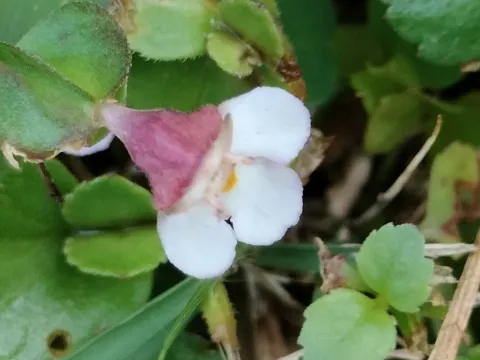
Torenia polygonoides
Torenia polygonoides
The propagation of Torenia polygonoides is primarily achieved through seeds, which are sown in late winter or early spring in a controlled indoor environment.
What the section contains
Torenia polygonoides
Seeds are small and require surface sowing on a moist, sterile seed-starting mix, pressing them gently into the surface without covering them to ensure light exposure.
Maintaining a constant temperature between 20 and 24 degrees Celsius is crucial for consistent germination rates and healthy initial development of the seedlings.
Seedlings should be transplanted into individual pots once they have developed several sets of true leaves, allowing for sufficient root space to grow.
Hardening off the plants is a necessary procedure performed over 7–10 days before they are permanently moved to their outdoor locations to prevent transplant shock.
Belonging to the Linderniaceae family, this plant thrives in environments that provide partial shade, as intense sunlight can dehydrate its delicate foliage.
Consistent moisture is the cornerstone of Torenia polygonoides care; the soil must remain damp but never waterlogged to avoid root rot issues.
The plant performs best in rich, fertile, well-draining soil that contains ample organic matter, which supports its vigorous growth and consistent flowering.
It is sensitive to cold temperatures; therefore, it should be protected from any frost, and outdoor planting should only occur when nighttime temperatures remain stable.
Regular application of liquid fertilizers, especially during the active growing phase, significantly improves the density and blooming duration of the plant.
Powdery mildew is a common fungal issue that affects Torenia when the plants are placed in areas with poor airflow and high levels of atmospheric humidity.
Aphids and whiteflies are the most prevalent insect pests, often congregating on the undersides of leaves and sucking sap, which weakens the entire plant.
Preventative measures include maintaining adequate spacing between plants to encourage air circulation and checking for pests on a weekly basis.
Root rot caused by pathogens like Pythium can occur if the substrate is excessively wet and lacks proper drainage, requiring immediate adjustment of watering habits.
If chemical intervention becomes necessary, use targeted treatments in the early morning or late evening to minimize any impact on beneficial garden visitors.