
Torenia flava
Torenia flava
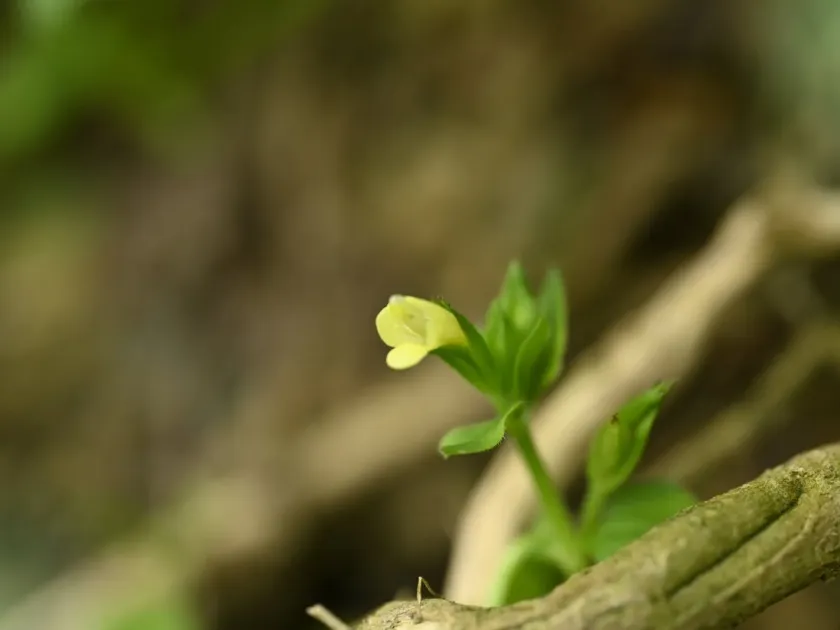
Description
Sowing dates
The sowing of Torenia flava seeds typically begins indoors during late winter, usually about 8 to 10 weeks before the expected date of the last spring frost.
Seeds require light for germination; therefore, they should be surface-sown on a fine, moist potting medium and pressed gently without being fully covered.
Maintaining a consistent soil temperature of 22–24°C is crucial for successful and uniform seed germination, often requiring the use of heating mats.
Seedlings should be thinned or transplanted into individual pots once they develop their first set of true leaves to prevent crowding and competition.
Hardening off the seedlings is an essential process before transplanting them outdoors, gradually acclimating the young plants to outside conditions.
Growing requirements
Belonging to the Linderniaceae family, Torenia flava thrives in partial shade environments, which mimic its natural forest floor habitat and prevent leaf scorch.
The culture requires consistently moist, fertile, and well-draining soil to support its active growth and to maintain the turgidity of its delicate foliage.
Regular fertilization with a balanced liquid fertilizer is recommended throughout the growing season to ensure sustained blooming and plant vigor.
While the plant is quite adaptable, it performs best in regions with moderate temperatures, as extreme heat or cold can severely hinder its development.
Proper air circulation is critical for this species, as it helps in maintaining foliage health and reducing the likelihood of fungal outbreaks in dense plantings.
Main diseases and pests
Common pests encountered by growers of Torenia flava include aphids and whiteflies, which may infest the tender shoot tips during periods of high humidity.
Fungal diseases, specifically powdery mildew, often occur when plant spacing is insufficient or when the foliage remains wet for extended periods.
Root rot remains one of the primary threats to the species, usually caused by overwatering or soil mixes that lack proper aeration and drainage capabilities.
Prevention involves careful monitoring of water levels and avoiding overhead irrigation, which keeps the leaf surface dry and discourages pathogens.
In cases of significant infestations or outbreaks, the application of targeted biological pesticides or fungicides is necessary to protect the plant health.