
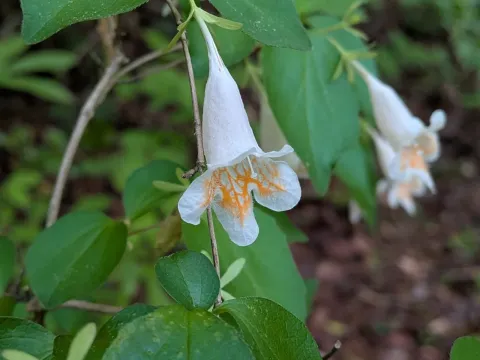
Linnaea spathulata
Linnaea spathulata
Linnaea spathulata, as a representative of the Linnaea genus, requires specific propagation conditions, with vegetative methods being preferred over seed germination in cultivation due to low seed viability.
What the section contains
Linnaea spathulata
The optimal time for taking cuttings is late spring or early summer, during the phase of active vegetative growth. Cuttings are planted in a light, well-draining substrate rich in peat and forest litter.
When using the seed method, sowing is carried out before winter in specialized containers, ensuring natural temperature fluctuations to break seed dormancy. Consistent moisture is vital during this period.
After germination, seedlings require shading, as direct sunlight can be detrimental to young plants. Transplanting to a permanent location should only occur during the second year of growth.
When planting in the ground, spacing should be approximately 30–40 centimeters to allow for the natural spread of horizontal stems and root systems.
This plant belongs to the Caprifoliaceae family and naturally occurs in shaded woodland habitats, which dictates its high requirements for air and soil humidity.
Linnaea spathulata thrives in acidic, humus-rich soils typical of forest ecosystems. Substrates based on coniferous litter and leaf mold are ideal for ensuring proper pH levels.
For healthy development, it is necessary to select sites with diffused light or partial shade. Exposure to intense, direct sunlight causes foliage scorch and root system desiccation.
Climatic requirements include protection from drying winds. The species is moderately frost-hardy, although light protective coverage during snowless winters is beneficial to prevent root damage.
Regular watering is essential, but it must be managed to avoid waterlogging. During hot weather, misting is recommended to maintain the necessary local micro-humidity around the plant.
The primary threats to this species are fungal diseases that emerge under conditions of excessive moisture and poor air circulation. Powdery mildew can affect foliage if watering practices are incorrect.
Root rots represent the most significant challenge when growing in heavy or poorly drained soils. Preventive measures include maintaining moderate watering and providing excellent drainage.
Spider mites are common pests that thrive in dry and hot conditions. Affected leaves lose their color, and fine webbing becomes visible on the undersides of the foliage.
Aphids can also damage young shoots and flower buds by sap-feeding, which stunts overall plant vigor. Regular inspections are necessary for early detection and mitigation.
Control of these pests is best achieved through the use of biological agents or systemic insecticides applied strictly according to standard agronomic guidelines.