
Artanema fimbriatum
Artanema fimbriatum
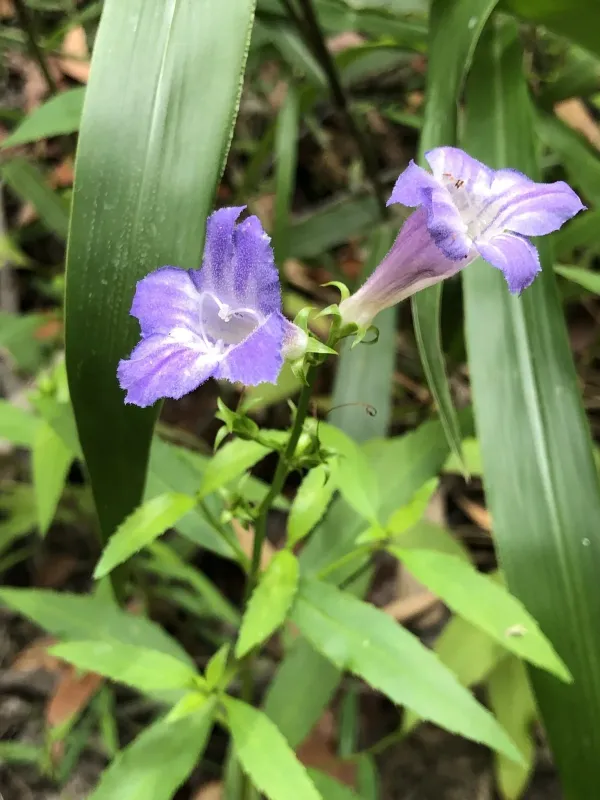
Description
Sowing dates
Sowing Artanema fimbriatum seeds is typically performed in controlled greenhouse environments during the late winter period to ensure a strong start before the spring season.
The growing medium should be a specialized sterile seed-starting mix. It must remain consistently moist but not waterlogged to allow the delicate seeds to germinate successfully.
Seeds are small and should be sown on the surface of the soil, covered with a very light dusting of fine vermiculite to maintain humidity while allowing light penetration.
Providing a consistent heat source underneath the seed trays, maintained at approximately 22 degrees Celsius, significantly improves the germination rate and uniformity.
Once seedlings have developed two sets of true leaves, they should be carefully transplanted into individual cells to prevent overcrowding and allow for adequate root development.
Growing requirements
Artanema fimbriatum belongs to the Plantaginaceae family (formerly Scrophulariaceae) and thrives in warm, humid tropical environments where it acts as a short-lived perennial.
This crop demands high organic matter content in the soil. Incorporating compost or well-rotted leaf mold into the planting site is essential for vigorous growth and flowering.
Environmental conditions require partial shade; while the plant enjoys warmth, it is sensitive to intense midday sun which can bleach its foliage and dry out the root zone.
Watering frequency should be adjusted based on evaporation rates. The soil needs to be kept evenly moist, mirroring the plant's native habitat conditions in shaded, humid regions.
Fertilization with a balanced, slow-release nutrient formula is beneficial during the active growth phase to support the production of its signature fringed flowers.
Main diseases and pests
The primary threat to the stability of Artanema populations in cultivation is root rot, triggered by poor drainage systems or prolonged periods of stagnant moisture around the crown.
Botrytis, a common fungal infection in high-humidity garden settings, can affect the flowers and foliage if air circulation is insufficient within the planting beds.
Pests such as spider mites are particularly prevalent during dry and warm spells. They feed on the undersides of leaves, leading to yellowing and premature leaf drop if untreated.
Integrated pest management protocols, including manual removal of infested parts and the use of neem-based oils, are recommended to maintain plant health without harsh chemicals.
Monitoring the soil pH is also important, as an improper balance can lead to nutrient lockouts, making the plant more susceptible to opportunistic pathogens and physiological stress.