
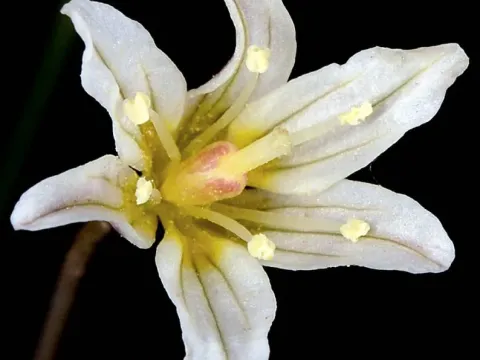
Lloydia
Lloydia
Lloydia is a genus of small, bulbous perennial herbs belonging to the Liliaceae family. These plants are known for their delicate, lily-like flowers and are highly adapted to the extreme environments of mountainous regions across the Northern Hemisphere.
What the section contains
Lloydia
The native habitat of the genus includes alpine meadows and rocky slopes where the soil is typically poor, stony, and well-draining. They thrive in environments characterized by short growing seasons and cold climates, making them unique in horticulture.
Cultivation of Lloydia requires careful attention to soil composition. A substrate comprising gravel, grit, and sandy loam is essential to mimic natural alpine drainage, as stagnant water is fatal to the bulbs during their dormant phase.
Temperature management is critical for this species. Lloydia prefers cool conditions and requires protection from extreme summer heat. In garden settings, rock gardens provide the ideal thermal buffer, keeping the root zone cooler than the surrounding surface.
Maintenance is relatively low, focusing on maintaining soil porosity and ensuring that the plants are not overwhelmed by more vigorous species. Minimal fertilization is recommended, as these plants are adapted to nutrient-poor soils found in mountain ecosystems.
The primary threats to Lloydia in cultivation are fungal infections, particularly those affecting the basal plate of the bulbs. These pathogens are most active in overly wet or poorly aerated soils, necessitating strict control over irrigation schedules.
Soil-dwelling insects, such as wireworms and larvae of various beetles, pose a significant risk by consuming the succulent tissues of the bulbs. Integrated pest management strategies, including soil treatment before planting, are advised for commercial or nursery stock.
Gastropods, including slugs and snails, frequently graze on the tender foliage emerging in early spring. Protecting the plants with barriers or organic-friendly baits is often necessary to preserve the health and vigor of the vegetation.
Rodents represent a seasonal threat, as they may forage for bulbs during winter months when other food sources are scarce. Physical protection such as wire mesh cages is a common and effective mitigation strategy for garden beds.
General lack of plant vigor due to soil depletion can also make the bulbs more susceptible to secondary infections. Periodically replenishing the surface layer of the growing medium with fresh, grit-amended soil helps maintain plant health.