
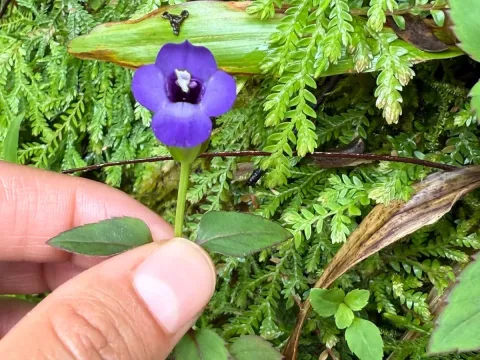
Torenia asiatica
Torenia asiatica
The cultivation of Torenia asiatica begins with seed sowing, typically performed in greenhouses or indoor environments to ensure proper development before the outdoor season. The seeds are exceptionally small, requiring a surface-sowing technique where they are pressed gently into the moist medium without covering.
What the section contains
Torenia asiatica
The ideal timeframe for sowing is from late February through early March. Starting early allows the plants to establish a robust root system, ensuring they are strong enough for transplanting into permanent garden locations or decorative containers once all danger of frost has passed.
Maintaining a stable temperature between +20°C and +22°C is essential for optimal germination. Consistent moisture levels are equally critical; growers often cover seed trays with clear plastic or glass to preserve humidity, provided that daily ventilation is practiced to prevent dampening off.
Seedlings should be pricked out once they develop two or three true leaves. Moving them into individual small pots or cell packs allows for sufficient space to grow, ensuring that each plant develops a bushy, healthy architecture rather than becoming leggy or stunted due to competition.
Acclimatization or hardening off is a mandatory process before moving the plants outdoors. Over a period of two weeks, the seedlings are gradually exposed to cooler outdoor temperatures and natural sunlight, which strengthens the foliage and prepares the plants for environmental stressors.
Torenia asiatica, a member of the Scrophulariaceae family, originates from tropical regions of Asia. Consequently, the species thrives in warm, humid climates and is sensitive to temperature drops, requiring careful environmental management for professional horticultural success.
The soil must be fertile, well-draining, and rich in organic matter. A slightly acidic to neutral substrate based on high-quality peat mixed with perlite or vermiculite is generally preferred to ensure optimal aeration and moisture retention without risking root zone suffocation.
Partial shade is the ideal environmental condition for this species. While Torenia requires adequate light to produce its characteristic floral displays, direct exposure to harsh afternoon sun can scorch the foliage and cause the petals to wilt prematurely.
Water management is the pillar of Torenia production. The substrate should be kept consistently moist but never waterlogged. Regular, light watering combined with high humidity levels helps mimic the plant's native tropical habitat, promoting lush vegetative growth and continuous flowering.
In ornamental horticulture, Torenia asiatica is highly valued for its versatility. It is commonly utilized as a ground cover in shady garden beds, as a primary component in hanging baskets, or as a decorative filler in patio containers, providing vivid colors throughout the entire growing season.
Powdery mildew represents a significant threat to Torenia, particularly in greenhouse conditions or areas with stagnant airflow. This fungal disease manifests as a white, powdery dusting on the leaves, which can inhibit photosynthesis and compromise the structural integrity of the plant.
Root rot is a common issue linked to overwatering or poor drainage systems. When the roots are saturated for extended periods, they become susceptible to soil-borne pathogens, leading to rapid yellowing, wilting, and eventually the death of the entire specimen if left untreated.
Aphids are frequent pests that target the terminal shoots and developing flower buds. By feeding on the plant's sap, these insects weaken the Torenia and serve as vectors for various plant viruses, necessitating early detection and prompt intervention with systemic insecticides.
Spider mites pose a significant risk, especially during periods of low humidity or high temperatures. These tiny pests weave fine webs on the undersides of leaves, causing necrotic spotting and foliage drop, which can severely reduce the aesthetic and commercial value of the crop.
Integrated pest management strategies are essential for maintaining crop health. This includes regular monitoring, maintaining appropriate spacing to ensure air circulation, removing infested plant material, and applying targeted biological or chemical treatments only when pest populations reach economic thresholds.