
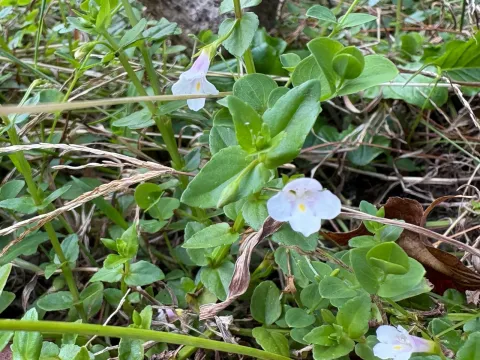
Lindernia cordifolia
Lindernia cordifolia
Lindernia cordifolia is a herbaceous plant belonging to the Linderniaceae family. Native to the tropical regions of Asia, it is primarily found in wetland habitats, riverbanks, and marshy areas where the soil remains consistently saturated throughout the growing season.
What the section contains
Lindernia cordifolia
Botanically, the plant is distinguished by its cordate (heart-shaped) leaves and flexible, prostrate stems. In commercial and ornamental horticulture, it is valued for its lush growth habit, which makes it an excellent candidate for aquatic and semi-aquatic environments.
Climate requirements for this culture are strictly tropical. It thrives in ambient temperatures between 22 and 28 degrees Celsius. Stability in the thermal environment is critical, as fluctuations can induce dormancy or physiological stress in the plant tissues.
Regarding soil composition, Lindernia cordifolia prefers nutrient-dense, slightly acidic substrates. It requires constant access to moisture and micronutrients, particularly iron and magnesium, which are essential for maintaining the vibrant green coloration of its foliage.
Modern agrotechnical practices for this plant emphasize high-intensity lighting and adequate CO2 diffusion if grown underwater. Proper spacing is essential to ensure that individual plants receive sufficient airflow, which prevents the build-up of excess humidity around the base of the stems.
The primary threats to Lindernia cordifolia are fungal pathogens, such as leaf spot fungi, which proliferate in environments with poor air circulation or stagnant water conditions. These pathogens can rapidly cause tissue necrosis if left untreated.
Insects like aphids and spider mites are common pests that target the younger, more succulent shoots. Their feeding activity often leads to distorted foliage and acts as a vector for various secondary bacterial infections.
Poor water quality, characterized by high levels of carbonates or heavy metals, can cause severe stress to the root system. This often manifests as stunted growth and a general decline in the plant’s structural integrity.
Algal blooms act as a significant competitor for nutrients and light in aquatic settings. If the environment becomes unbalanced, algae can smother the Lindernia, effectively shutting down its ability to perform photosynthesis.
Effective management strategies include implementing a robust sanitation protocol, using targeted organic fungicides, and maintaining stable chemical parameters in the irrigation water or growing medium to prevent environmental stress.