
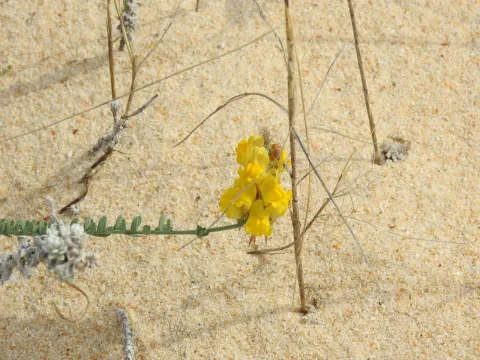
Linaria lamarckii
Linaria lamarckii
Linaria lamarckii is a distinctive herbaceous plant belonging to the Plantaginaceae family. It is recognized for its ornamental potential and specific ecological niche, which requires careful management when grown in agricultural or garden environments.
What the section contains
Linaria lamarckii
The plant thrives in well-drained, sandy soils that mimic its natural habitat. Soil texture is a critical factor, as Linaria lamarckii cannot tolerate waterlogged conditions or heavy clay soils that impede root respiration.
Full sun exposure is mandatory for this species to achieve optimal development and vibrant flowering. Adequate light intensity supports the synthesis of metabolites, which are essential for the plant's health and vigor.
Temperature requirements are generally moderate, with the plant showing significant resilience to heat. However, prolonged exposure to extreme frosts without snow cover can negatively impact the survival rate of the rootstock.
Agricultural management should prioritize minimal interference with the root system. Mulching with inorganic materials is recommended to control weed growth and maintain a stable temperature around the base of the plant.
Pathogen pressure is primarily associated with fungal infections, particularly in humid climates. Powdery mildew can rapidly colonize the foliage if air circulation is insufficient, necessitating immediate pruning of affected areas.
Root rot remains the most severe threat to the cultivation of Linaria lamarckii. Prevention depends almost entirely on soil moisture management and ensuring that drainage systems are functioning perfectly throughout the season.
Pests such as aphids and leaf-eating caterpillars are common challenges. These organisms can severely affect the photosynthetic capacity of the plant if infestations are not controlled promptly through biological or mechanical means.
Viral infections, although less common, may be transmitted by insect vectors. Maintaining a high standard of hygiene in the growing area, including the removal of infected plants, is crucial to prevent the spread of disease.
Strategic pest and disease management involve regular monitoring and the use of targeted treatments. Avoid broad-spectrum chemical pesticides to preserve beneficial insect populations that provide natural biological control in the field.