
Torenia bicolor
Torenia bicolor
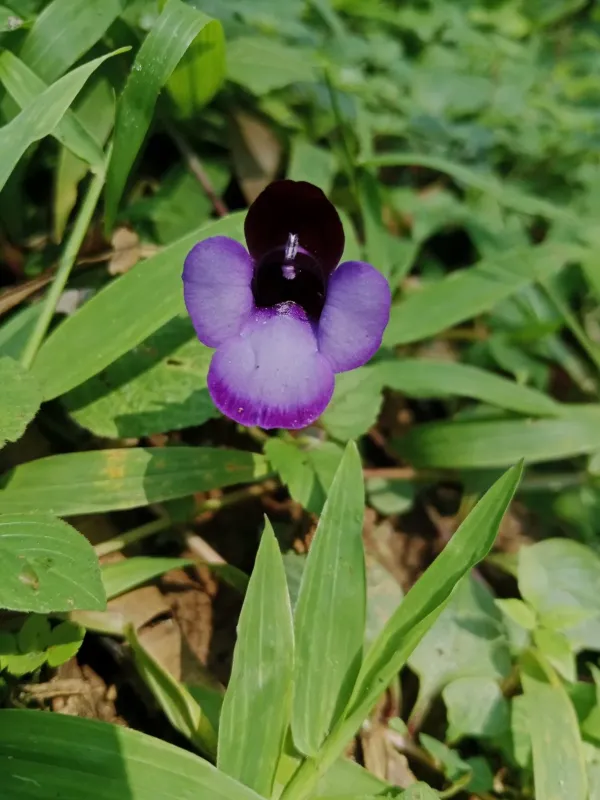
Description
Sowing dates
Sowing Torenia bicolor seeds for seedlings typically starts in late February or early March. The seeds are extremely small, so they should be sown on the surface of the growing medium without covering them with soil.
To ensure successful germination, the containers must be covered with plastic wrap or glass to maintain high humidity. A temperature range of 22–24 degrees Celsius is optimal for initial growth.
Pricking out the seedlings should be performed once the first pair of true leaves has developed. Bright, indirect light is essential to prevent the seedlings from becoming spindly.
Transplanting into the open ground should only take place after the risk of frost has passed completely, as the plant is highly sensitive to cold snaps.
A spacing of 20 to 25 centimeters between individual plants is recommended to allow for healthy air circulation and canopy development.
Growing requirements
Torenia bicolor, a member of the Linderniaceae family, thrives in environments with partial shade and protection from harsh, direct sunlight. Too much light can scorch the delicate flowers.
The plant requires well-draining, nutrient-rich soil with a slightly acidic to neutral pH. Soil moisture must be consistent, as the plant does not tolerate drought or prolonged waterlogging.
An ideal climate for this species involves stable temperatures between 18 and 25 degrees Celsius. Extreme heat or cold can cause the plant to stop blooming and enter dormancy.
Regular fertilization with a balanced, water-soluble fertilizer is crucial during the active growing season to support continuous flowering and foliage health.
Proper hydration techniques, such as watering at the base rather than overhead, help maintain the aesthetic appeal and overall vigor of the plants.
Main diseases and pests
The primary threats to Torenia bicolor include fungal diseases like powdery mildew and grey mold, which are particularly prevalent in areas with high humidity and poor ventilation.
Common pests include aphids and spider mites, which can cause significant damage to the plant if not addressed early with targeted pest control strategies.
Integrated pest management, including regular inspection of the leaves and stems, is recommended to keep pest populations below the damage threshold.
Preventive measures such as maintaining proper spacing and avoiding excessive moisture on the foliage can significantly reduce the incidence of disease.
In case of severe infestations or infections, the application of appropriate systemic fungicides or insecticides should be considered, following manufacturer guidelines.