
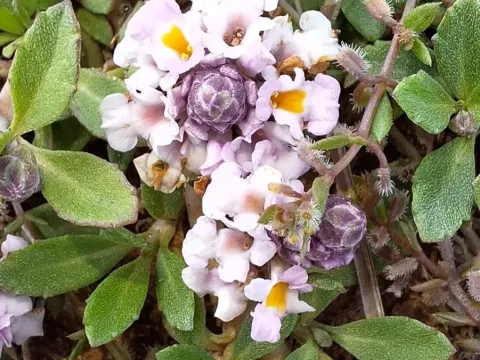
Lippia filiformis
Lippia filiformis
Lippia filiformis is a perennial herbaceous plant belonging to the Verbenaceae family. It is widely recognized for its excellent ground-covering properties and its ability to act as a resilient alternative to traditional lawns.
What the section contains
Lippia filiformis
Originating from tropical and subtropical areas, this plant has spread globally as a decorative and functional cover. It grows via creeping stems that root at the nodes, creating a dense, low-profile mat that requires minimal human intervention.
The crop thrives in sunny locations but demonstrates a high level of tolerance to partial shade. Optimal development occurs in temperatures ranging from 20°C to 28°C, making it a reliable choice for warm-season landscaping.
Soil requirements are relatively moderate; the plant prefers well-drained, fertile soils with a neutral pH. It is capable of adapting to various soil textures, provided that the water permeability is sufficient to avoid stagnant conditions.
Agronomic management involves regular irrigation during dry spells to maintain the vibrant green color. Due to its resistance to foot traffic, it is highly valued for parks, gardens, and pathways where aesthetic and practical functions must coexist.
The primary threat to Lippia filiformis is waterlogging. Excessive moisture in the root zone frequently leads to fungal infections and root rot, which can quickly compromise the integrity of the plant coverage.
Pests such as spider mites and aphids may appear if the plant is subjected to severe drought stress or poor air circulation. Maintaining an optimal microclimate is the best preventive strategy against these infestations.
Powdery mildew represents a significant risk in humid, poorly ventilated areas. Ensuring proper spacing during planting helps mitigate this risk and promotes overall plant health and vigor.
Weed competition is particularly challenging during the initial establishment phase. Once the plant has formed a thick, interconnected mat, it naturally suppresses most invasive weeds through its rapid vegetative spread.
Preventive maintenance includes balanced fertilization to sustain plant immunity. Applying organic or mineral supplements according to soil analysis results ensures the crop remains resistant to common environmental stressors and diseases.