
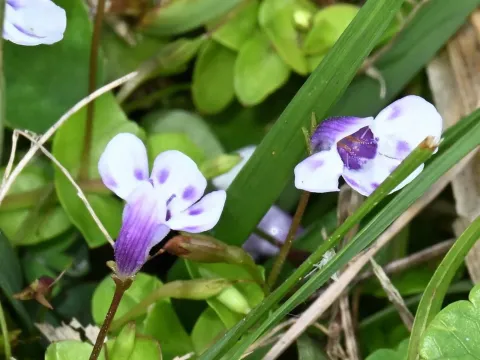
Lindernia
Lindernia All.
Lindernia belongs to the Linderniaceae family and is often found in aquatic or semi-aquatic habitats. Sowing should begin only when soil temperatures consistently reach at least 18-20 degrees Celsius, as this species is highly sensitive to cold stress during germination.
What the section contains


Lindernia
Seeds are extremely small and require surface sowing to ensure sufficient light exposure for successful germination. It is critical to maintain a moist substrate throughout the process, as dry soil conditions significantly decrease the germination rate.
Early sowing in greenhouses or controlled environments allows for a head start before transplanting to the field. This method is preferred in regions with shorter growing seasons to ensure the plants reach full maturity before autumn temperatures decline.
The spacing between plants must be carefully managed to ensure adequate airflow and light penetration. Overcrowding can lead to excessive competition for nutrients and increased humidity, which fosters the development of fungal pathogens within the plant stands.
Regular monitoring of seed emergence is essential. Once established, the plants grow rapidly, and thinning may be necessary if the seed density was too high to ensure each individual plant has sufficient space for optimal development.
Lindernia thrives in rich, well-draining yet moisture-retentive soils. Because the plant naturally grows in humid environments, consistent soil moisture is a requirement rather than an option for successful cultivation.
The ideal pH range for this crop is slightly acidic to neutral (6.0–7.0). Maintaining this range ensures that essential nutrients, particularly micronutrients like iron and manganese, remain bioavailable to the plant's roots throughout the season.
Light requirements are high, as Lindernia requires full sun to partial shade depending on the specific latitude and temperature. Sufficient light intensity is necessary for compact growth; otherwise, the plants become leggy and lose their aesthetic or productive quality.
Temperature management is key to maintaining a healthy crop. Lindernia prefers constant warmth and does not tolerate frost. In open-field conditions, protection against cold winds is recommended to preserve the integrity of the foliage.
Fertilization regimes should prioritize balanced NPK ratios with added micronutrients. Frequent, light applications are superior to single large doses, as they prevent fertilizer burn and support steady growth throughout the plant's life cycle.
Fungal diseases, especially those causing root rot, are the primary threat to Lindernia crops grown in high-humidity settings. Poor ventilation exacerbates these risks, making the control of canopy density a critical management task for agronomists.
Insects like aphids and spider mites can cause significant damage by feeding on plant sap. These pests thrive in dry or stressed plant conditions, so consistent hydration is the first line of defense in an integrated pest management program.
Effective disease control involves preventative measures such as clean cultivation practices and the prompt removal of crop residues. Chemical treatments should be reserved as a secondary option, prioritizing biopesticides to ensure crop safety.
Monitoring for signs of wilting or discoloration on leaves is a vital routine activity. These early symptoms are usually indicative of nutrient imbalances or the onset of water-related pathogens which must be addressed immediately.
- Root rot
- Powdery mildew
- Aphids
- Spider mites