
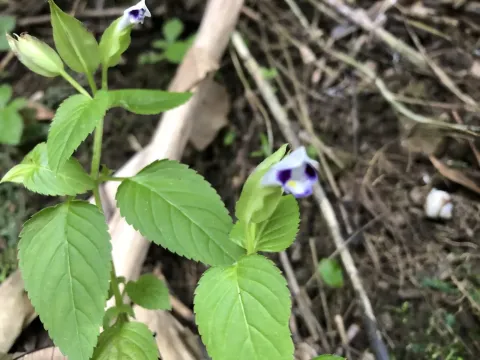
Torenia violacea
Torenia violacea
Torenia violacea, a member of the Scrophulariaceae family, is typically grown from seed started indoors. Due to their extremely fine size, seeds are sown on the surface of the soil and should not be buried, as they require light to germinate effectively.
What the section contains
Torenia violacea
Sowing usually begins in late winter or early spring, around March. It is essential to maintain a constant temperature of 20–22°C and keep the growing medium consistently moist by using a cover to ensure optimal humidity until germination occurs.
Once the seedlings develop two or three true leaves, they should be transplanted into individual pots. This spacing is vital for the development of strong root systems and prevents overcrowding, which can lead to seedling damping-off.
Transplanting outdoors should only take place after the last spring frost. Torenia is highly sensitive to cold, so even minor drops in temperature can severely stunt its growth or result in total plant loss.
A hardening-off period is recommended before moving plants to their permanent outdoor location. Gradually exposing the seedlings to outdoor conditions over a week helps them adapt to temperature fluctuations and sunlight intensity.
Torenia violacea thrives in partial shade or filtered sunlight. Exposure to harsh afternoon sun can scorch the delicate foliage and cause the vibrant purple flowers to wilt prematurely, so selecting an appropriate site is crucial.
The ideal soil for Torenia should be loose, well-draining, and rich in organic matter. Good drainage is non-negotiable, as the plant is highly susceptible to root rot if the soil becomes waterlogged or overly compacted.
Consistent moisture is key to success. The soil should be kept damp, but never soggy. In container gardening, this requires careful monitoring of the moisture levels, especially during warmer summer months when evaporation rates are high.
Regular fertilization with a balanced liquid fertilizer every two weeks promotes vigorous growth and continuous blooming. Potassium-rich formulas are particularly beneficial for maintaining flower quality and plant health throughout the season.
The plant performs exceptionally well in hanging baskets or pots due to its trailing growth habit. Adequate air circulation around the canopy is important to ensure the plant remains robust and free from excess humidity build-up.
Powdery mildew is the most common fungal disease affecting Torenia, typically appearing as a white, dusty coating on the leaves. Maintaining proper plant spacing and good airflow can significantly reduce the risk of this infection.
Botrytis, or gray mold, can also develop under high humidity or poor ventilation conditions. Removing infected plant parts and applying appropriate fungicides can help manage the situation if the disease is caught in its early stages.
Aphids and whiteflies are the primary pests that may attack the tender new growth of Torenia. These insects suck the plant sap, leading to weakened growth, yellowing leaves, and potentially transmitting viral pathogens to the plants.
Spider mites are a common nuisance during hot and dry spells. These microscopic pests thrive in low humidity, so keeping the area around the plants slightly humid or using insecticidal soaps can serve as an effective control measure.
Physiological issues, such as nutrient deficiencies, often manifest as yellowing of the leaves (chlorosis). Regularly testing soil pH and ensuring the availability of essential micronutrients are vital for maintaining the deep, healthy coloration of the foliage.