
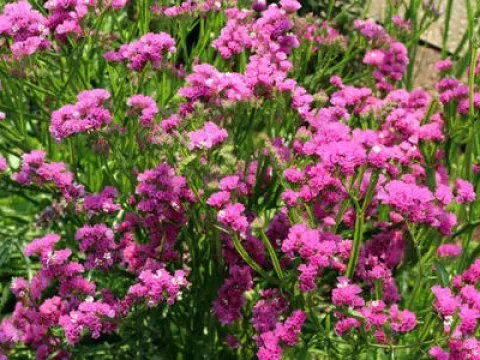
Limonium occidentale
Limonium occidentale
Sowing Limonium occidentale typically begins in late winter to early spring, ideally in greenhouses or indoors. Proper timing is crucial to ensure robust seedling development before the warmer, drier months of the growing season arrive.
What the section contains
Limonium occidentale
The seeds often require a period of cold stratification to break dormancy. This process mimics natural winter conditions, significantly increasing the germination rate and ensuring a more uniform development of the crop.
Sow seeds into a well-draining, sterile potting mix, covering them lightly with a thin layer of substrate. Maintaining a steady temperature of around 20 degrees Celsius is optimal for triggering consistent germination in this species.
Transplanting the seedlings to the field should occur only after the risk of frost has fully passed. Ensure that the plants are gradually acclimatized to outdoor conditions through a hardening-off period of at least one week.
Spacing is essential for disease prevention; place plants approximately 35–45 centimeters apart. This distance facilitates sufficient airflow, which is critical in reducing humidity-related pathologies in the foliage.
Limonium occidentale is a perennial herb belonging to the Plumbaginaceae family. It is naturally adapted to coastal environments, demonstrating high resilience to salinity and suboptimal soil conditions found near the sea.
The plant thrives in sandy or gritty, well-draining soil types. Heavy clay soils are unsuitable because they retain too much water, which causes root rot and quickly kills the plant in humid weather conditions.
Full sun exposure is a non-negotiable requirement for this species. To achieve optimal flowering and structural integrity of the stems, the plant requires at least six to eight hours of direct sunlight daily.
Regarding climate, the plant is remarkably drought-tolerant once established. It prefers moderate humidity and dislikes stagnant air, which makes it an excellent candidate for xeriscaping and sustainable landscaping in arid coastal zones.
Fertilizer requirements are modest. Over-application of nitrogenous fertilizers should be avoided as it encourages excess vegetative growth, which can lead to weakened stems that may collapse under their own weight during flowering.
The economic value of Limonium occidentale lies primarily in the floral industry, where it is highly prized as a long-lasting filler flower. The yield is measured by the number of harvestable sprays per plant.
In well-managed horticultural setups, a healthy mature plant can produce over a dozen high-quality, branched flower stems. Proper harvesting practices are essential to maintain both the quality and the longevity of the product.
Harvesting should occur when the majority of the small, papery flowers on the stem have fully opened. Cutting too early results in wilting, while cutting too late can lead to premature flower drop during the drying process.
As a perennial crop, production can be sustained over several years, though peak yields are often achieved during the second and third seasons. Regular maintenance of the root crown is necessary to preserve plant vigor over time.
Post-harvest handling requires immediate drying in a dark, cool, and airy environment. This method ensures that the vibrant colors of the inflorescences are locked in, preserving their ornamental appeal for months after the harvest.
Fungal diseases constitute the primary threat to Limonium occidentale, especially when grown in climates with high relative humidity. Powdery mildew is a common issue, manifesting as a white fungal growth on the foliage.
Root rot, driven by excessive moisture and poor soil aeration, is the most lethal condition for this species. Prevention is focused on strict irrigation management and the selection of perfectly draining planting sites.
Pests such as aphids and spider mites can infest the plants, particularly during dry spells. These pests damage the young, tender growth and floral stems, negatively impacting both the aesthetic quality and plant health.
Slugs and snails may target young plants during the establishment phase. Control measures such as physical barriers or environmentally safe molluscicides are often employed in commercial nursery settings to protect the crop.
Integrated Pest Management (IPM) practices, including regular crop scouting and the removal of infected plant debris, are recommended. These steps help reduce the inoculum load and minimize the need for chemical interventions.