
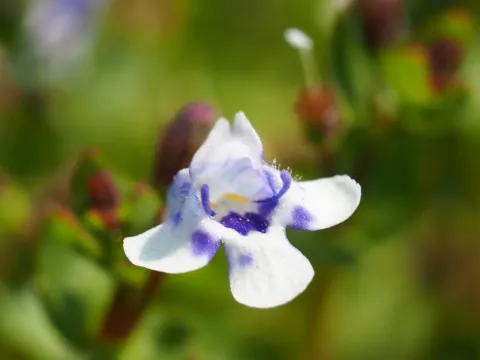
Lindernia
Lindernia
Lindernia is a genus belonging to the Linderniaceae family, previously classified under Scrophulariaceae. These are mostly annual herbaceous plants that, in an agricultural context, are primarily recognized as invasive weeds, especially in global rice production systems.
What the section contains


Lindernia
The plant's lifecycle begins once soil temperatures reach 15–18 degrees Celsius. In flooded fields, the seeds germinate directly within the aquatic environment or in water-saturated soil, posing a significant challenge for field management and weed control.
Sowing in the traditional agricultural sense is not performed, as Lindernia is a wild-growing species. It spreads through self-seeding, with seeds exhibiting high viability and the ability to remain dormant in the soil for several years.
The development of the plant is rapid, with its active growth phase coinciding with the most critical growth stages of rice. This creates severe competition for nutrients and solar radiation during the early stages of crop establishment.
A biological key to its success is the plant's ability to reproduce both via seeds and vegetatively if stems come into contact with moist soil. This requires immediate intervention from agronomic teams upon the first signs of emergence within the field.
Lindernia requires high levels of moisture for optimal development, which is why its natural range includes tropical and subtropical regions, as well as humid temperate zones.
The plant thrives in well-warmed areas with loamy or silty soils, typical of floodplains and rice paddies. The presence of a constant layer of water provides the ideal condition for the expansion of this species.
Lighting plays a critical role in the photosynthesis of Lindernia. Under heavy shading from crops, its growth rates decline, but the plant immediately exploits any gap in the canopy to access direct sunlight.
Optimal temperatures for germination and vegetation range from 20 to 30 degrees Celsius. Temperatures below 10 degrees Celsius significantly slow down its metabolic processes and can potentially halt its development.
While soil chemistry is not a limiting factor, Lindernia demonstrates its highest level of aggressiveness on soils rich in organic matter and nitrogen, where it quickly develops dense biomass.
The primary threat Lindernia poses to agronomy is resource competition. It can reduce rice yields by 20–40% by absorbing mineral fertilizers intended for the main crop from the surrounding water.
Various insects that damage rice stalks can indirectly facilitate the spread of Lindernia by creating favorable conditions for secondary colonization within the field area.
Diseases affecting Lindernia are poorly documented due to its weed status. However, in high-density conditions, the plant may serve as a reservoir for fungal pathogens that can later infect neighboring cultivated crops.
The main method of control is chemical weeding using systemic herbicides. It is crucial to apply treatment during the 2–4 true leaf stage, as mature plants demonstrate high resistance to most chemical agents.
Mechanical cleaning of irrigation canals and the practice of crop rotation involving periods of field drainage are essential agronomic measures to limit the Lindernia population within agricultural ecosystems.