
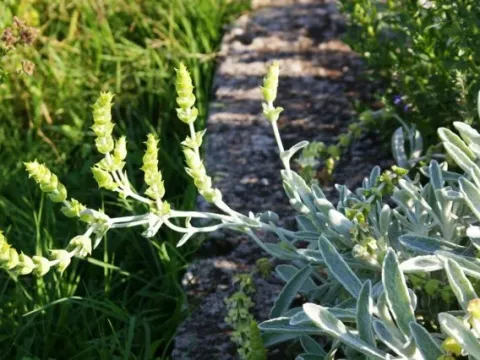
Sideritis linearifolia
Sideritis linearifolia
Sowing Sideritis linearifolia is best conducted during the autumn or early spring. The seeds require stratification to break dormancy, making autumn sowing a preferred method for better germination rates in field conditions.
What the section contains
Sideritis linearifolia
Select light, rocky, and well-drained soil for sowing. The seeds are small, so they should be sown at a shallow depth of approximately 0.5 to 1 cm to allow sufficient light access for germination.
Maintain a row spacing of 40–50 cm to ensure adequate ventilation. This spacing is vital for preventing humidity-related diseases which this plant is highly susceptible to in its early growth stages.
When starting from seedlings, sow in trays 6–8 weeks before the last frost. Transplanting should be done carefully to avoid root disturbance, as the plant needs time to establish its primary taproot.
Once seedlings emerge, thin them out to ensure a distance of 20–30 cm between plants. This density prevents overcrowding and encourages the development of a robust, woody basal structure.
Sideritis linearifolia, belonging to the Lamiaceae family, is a perennial herb originating from the Iberian Peninsula. It is a true xerophyte, adapted to harsh, mountainous climates with intense sunlight.
The plant thrives in nutrient-poor, limestone-based, or stony soils. It absolutely requires excellent drainage; waterlogged soils are the primary cause of failure in Sideritis cultivation.
Ideal temperatures range between 18°C and 25°C. While the plant is cold-hardy, it prefers hot, dry summers and plenty of direct sunlight, which is essential for the synthesis of its active secondary metabolites.
Avoid heavy fertilization, especially with nitrogen, as this promotes lush, watery growth that reduces the quality of medicinal compounds and increases susceptibility to fungal pathogens.
Minimal irrigation is required. Watering should only be provided during extreme drought, as the plant has evolved to extract moisture efficiently from rocky substrates.
Yield is measured in terms of dry aerial biomass. The crop is harvested at the peak of the flowering stage when the concentration of essential oils and flavonoids is at its absolute maximum.
As a perennial crop, a well-managed plantation can provide consistent yields for several years. Productivity tends to increase as the plant matures and develops a larger woody root system.
To optimize annual yields, perform a light trimming after the first flush of flowers. This practice encourages the growth of lateral shoots, effectively doubling the biomass available for the second harvest cycle.
Post-harvest processing is critical. Drying should occur at low temperatures (below 40°C) in a shaded, well-ventilated area to ensure the retention of the plant's signature aromatic profile.
While the total biomass per hectare may be lower compared to industrial crops, the high market value of high-quality medicinal Sideritis makes it a profitable specialized farming venture.
The most common threats are root and crown rots, caused primarily by poor drainage or overly humid growing conditions. Maintaining adequate aeration is the best preventive strategy.
Powdery mildew can infect leaves in dense, stagnant air conditions. Fungicides can be used, but prevention through proper spacing and moisture control is far more effective for medicinal crops.
Pests like aphids are generally minor threats but may appear during warm, dry spells. Biological control or mild insecticidal soaps are recommended to avoid chemical residues on the final product.
Weeds are a significant challenge during the first year of growth. Mechanical weeding between rows is necessary to prevent competition for light and nutrients while the young plants are establishing.
Avoid planting in areas previously used for other Lamiaceae species to prevent the buildup of soil-borne pathogens that target plants in this family.
Harvesting is performed during full bloom. At this stage, the plant has high levels of active ingredients, and the flowers are beginning to show their distinct coloration.
Using sharp shears, cut the stems approximately 10–15 cm above the ground. It is essential not to harvest too low to ensure the basal leaves remain, allowing the plant to regenerate for the next season.
Harvesting should ideally be done in the morning once the dew has evaporated but before the heat of the day reaches its peak, preserving the integrity of the plant's volatile oils.
Immediately transport the harvested material to the drying facility. Avoid piling the plants in thick layers to prevent overheating and fermentation, which can rapidly degrade the quality of the raw material.
After the harvest, clear the field of debris and provide a light hoeing to ensure the soil surface is aerated, which promotes better root recovery for the following year's growth.