
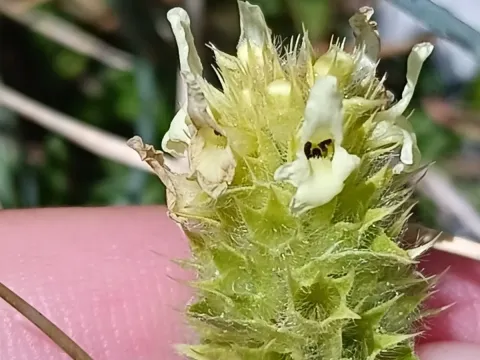
Sideritis peyrei
Sideritis peyrei
Sowing Sideritis peyrei is best performed in the spring, once the soil has warmed sufficiently. Optimal germination occurs at temperatures between 12 and 15 degrees Celsius, requiring a well-prepared seedbed with fine soil structure.
What the section contains
Sideritis peyrei
Seeds should be sown at a shallow depth of no more than 0.5 to 1 centimeter, as they are light-sensitive. In field conditions, a row spacing of 40 to 60 centimeters is recommended to ensure adequate space for plant development.
When starting from seedlings, they should be transplanted into the field once they have developed 4 to 6 true leaves. This ensures that the plants are robust enough to withstand outdoor environmental conditions.
Stratification may be beneficial for seeds sourced from regions with long winter periods, as it helps to break dormancy and ensures more uniform emergence in the spring.
Effective weed control is critical during the initial establishment phase, as the young plants are slow-growing and can easily be outcompeted by more aggressive weed species.
Sideritis peyrei is a mountain plant that thrives in high-light environments. Full sun exposure is essential for the development of its characteristic secondary metabolites, including essential oils and flavonoids.
The plant requires well-drained, rocky, or sandy soils. It is highly intolerant of waterlogged conditions, which can lead to rapid root decay and plant mortality.
This species is highly drought-tolerant, featuring dense trichomes (hairs) on its foliage that help to minimize water loss through transpiration, making it suitable for arid and semi-arid climates.
Soil pH should ideally be neutral or slightly alkaline. Minimal fertilization is necessary, as excessive nitrogen can promote succulent growth that is more susceptible to disease and less potent in aromatic compounds.
Protection from severe, cold winter winds is advisable to maintain the health of the plants, even though the species is naturally adapted to rugged alpine environments.
Productivity in Sideritis peyrei plantations typically increases from the second year onwards. During the first year, plants invest energy in establishing root systems and vegetative rosettes.
Under optimal management, a plantation can remain productive for up to five years. High-density planting can increase early yields, but may require earlier replanting due to competition for resources.
The average dry biomass yield typically ranges between 1.5 and 3 tonnes per hectare, depending on local climate conditions, the level of irrigation, and the specific cultivation practices used.
Harvesting can be performed once or twice per season depending on the length of the growing period. Regular monitoring of flower development is crucial to decide the timing of the harvest.
Longevity and yield quality are influenced by the genetic purity of the seed stock; sourcing seeds from reputable suppliers ensures high-quality plants with uniform growth characteristics.
The primary threats to Sideritis peyrei are fungal pathogens that thrive in high humidity or poorly drained soils, such as root rot or powdery mildew. Improving air circulation around the plants is an effective preventive measure.
Pests like aphids and spider mites can be problematic during dry, hot spells. Integrated Pest Management (IPM) practices, including the use of biological controls, are preferred over synthetic pesticides.
Competition from weeds is a major limiting factor for growth. Regular mechanical cultivation or mulching between rows helps suppress weed growth while maintaining favorable soil conditions.
Poor drainage is the single most common cause of crop failure. Before establishing a field, performing a soil drainage test is essential to confirm the suitability of the land for this specific crop.
Pathogen buildup can occur if the same site is used continuously for many years. A crop rotation scheme of 4–5 years is recommended to break pest and disease cycles effectively.
The harvest should occur at the peak of flowering, as this is when the concentration of essential active compounds is at its highest point of the season.
Plants should be cut approximately 5 to 10 centimeters above the ground to avoid damaging the crown, which allows the plant to regenerate effectively for future harvests.
Immediate post-harvest processing is vital. The collected biomass must be dried in a clean, shaded, and well-ventilated area to prevent degradation of its color and active ingredients.
Drying temperatures must be strictly controlled, ideally remaining below 40 degrees Celsius, to prevent the volatile essential oils from evaporating and preserving the medicinal quality of the herb.
Storage should be in airtight, moisture-proof containers in a cool, dark place. Proper handling ensures that the final product maintains its therapeutic properties for up to two years post-harvest.