
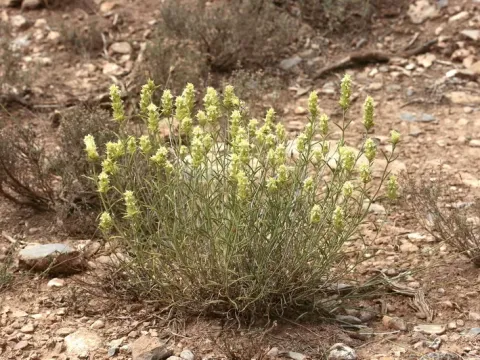
Sideritis pungens
Sideritis pungens
Sideritis pungens, commonly known as a species of ironwort, is a perennial herbaceous plant belonging to the Lamiaceae family. This species is highly valued for its exceptional adaptation to harsh, arid environments, making it a sustainable choice for cultivation in Mediterranean-like climates.
What the section contains
Sideritis pungens
Originating from rocky terrains and calcareous slopes, the plant thrives in well-drained, nutrient-poor soils. Its natural habitat includes open, sunny areas where soil moisture levels are consistently low, and other vegetation struggles to establish a foothold.
Botanically, Sideritis pungens is characterized by its pubescent (hairy) stems and leaves, which serve as a physiological adaptation to reduce water loss via transpiration. The presence of prickly bracts provides additional protection against herbivores and reduces the surface area susceptible to drying winds.
Optimal growth requires full sun exposure throughout the vegetative season. Shade or insufficient light reduces the metabolic processes responsible for the synthesis of essential oils and bioactive secondary metabolites, which are the primary economic focus of this crop.
The most critical requirement for successful farming is avoiding waterlogged conditions. Even temporary saturation can lead to root rot. Therefore, choosing a field with a natural slope or installing a comprehensive drainage system is essential for maintaining plant health.
Sowing schedules for Sideritis pungens vary based on the specific climate, but autumn or early spring sowing is generally recommended. Seeds should be sown shallowly, ideally at a depth not exceeding 1 cm, as they require light and oxygen to germinate effectively.
For spring sowing, cold stratification of seeds for approximately two to three weeks significantly improves germination rates. Given the slow initial growth of the seedlings, diligent weed management in the first months is vital to ensure the young plants survive.
When establishing a plantation, a row spacing of 45 to 60 cm is standard. This configuration allows for adequate air circulation and enables the use of mechanical weeding tools, reducing the labor intensity during the early establishment phases.
Vegetative propagation via root division is also a viable method. This approach yields stronger, more established plants and ensures genetic uniformity across the field. Division is best performed in the dormant season to minimize transplant stress.
Fertilization should be handled with care. Excessive nitrogen stimulates vegetative growth at the expense of floral development and essential oil concentration. A balanced fertilizer focusing on phosphorus and potassium is sufficient to support long-term vigor.
The yield of Sideritis pungens is primarily measured by the total weight of dried aerial parts (leaves and flowering tops). With proper management, growers can achieve a yield of 1.5 to 2.5 metric tons per hectare once the plantation reaches full maturity.
Timing the harvest is crucial for yield quality. The biomass should be collected during the peak flowering stage, when the concentration of flavonoids and terpenes is highest. This ensures the medicinal profile meets industry standards for herbal tea and supplements.
The product has diverse economic uses, ranging from traditional herbal infusions, often referred to as mountain tea, to pharmaceutical extracts. The market demand is driven by the plant's known antioxidant and anti-inflammatory properties.
Quality control at the post-harvest stage is essential. The market value is determined by the aesthetic quality of the dried flowers and the intensity of the herbal aroma. Proper handling prevents contamination and maintains the plant's natural chemical integrity.
A well-maintained plantation can remain productive for 4 to 6 years. As the plants age, productivity naturally declines, signaling the need for field rotation or replanting to sustain the desired output levels for future seasons.
Sideritis pungens is naturally robust, possessing chemical defenses that deter many common pests. However, it is susceptible to various issues if environmental conditions become unfavorable, particularly regarding soil moisture and air quality.
- Root rot caused by poor soil drainage and waterlogging.
- Rust fungi developing during humid, stagnant air conditions.
- Powdery mildew appearing during significant temperature fluctuations.
- Aphids, which occasionally target new growth during hot, dry spells.
- Spider mites that may proliferate if irrigation is severely mismanaged.
Integrated pest management (IPM) is the best strategy. The focus should be on cultural controls such as spacing, soil drainage, and field hygiene rather than synthetic chemical intervention, which could compromise the purity of the medicinal product.
Regular monitoring of the field is necessary. If localized infestations or disease outbreaks occur, infected plant material should be carefully removed to prevent the spread of pathogens to the rest of the plantation, keeping the crop healthy.
Good field hygiene, including the removal of dead plant matter at the end of the season, reduces the overwintering sites for pathogens and insect larvae, significantly improving the phytosanitary status of the crop for the following year.
Harvesting should be conducted exclusively during dry weather, preferably mid-morning after the dew has evaporated. Harvesting in damp conditions significantly increases the risk of mold growth during the drying process, which can ruin entire batches.
The stems should be cut 5 to 10 cm above the soil surface. This cutting height allows the perennial base to recover effectively and promotes the development of lateral shoots, which contribute to the next year's harvest potential.
Immediate processing is required once the crop is harvested. The material must be transported to a drying facility where conditions are cool, dry, and well-ventilated, ensuring that the temperature does not exceed 40 degrees Celsius to avoid oil degradation.
Once dried, the product should be stored at a low moisture content (around 10–12%) in light-proof, breathable containers. This prevents loss of aromatic profile and protects the product from oxidation, ensuring shelf-life stability.
High-quality dried Sideritis pungens is highly sought after by specialty food and herb retailers. Consistency in drying and packaging is what separates premium-grade herbal products from commodity-grade material, impacting overall profitability.