
Sideritis incana
Sideritis incana
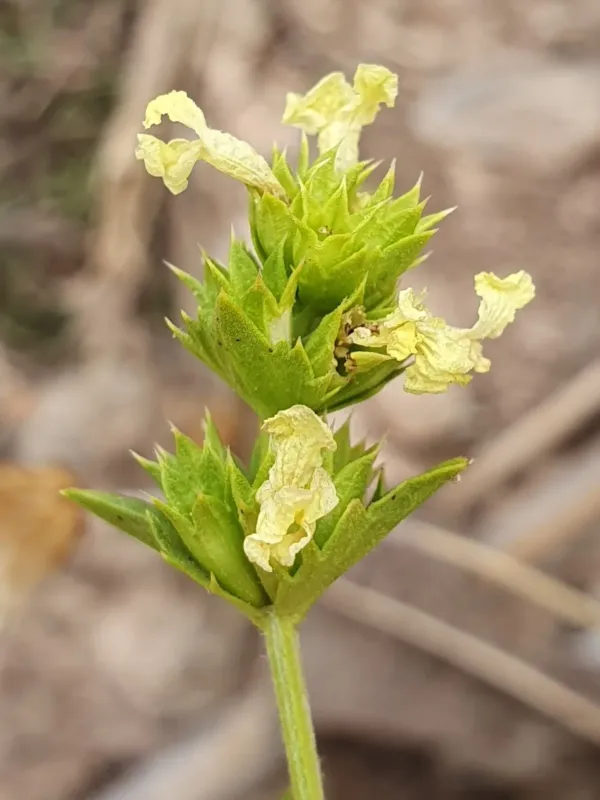
Description
Sowing dates
Sowing Sideritis incana is typically performed in the spring when soil temperatures reach 10–12 degrees Celsius. Seeds often require stratification to ensure uniform germination across the field.
Both direct seeding and transplanting methods are employed. Using greenhouse-grown seedlings generally results in better survival rates and more vigorous growth during the first year of production.
Optimal row spacing is set at 40–50 cm, allowing for adequate light penetration and simplified mechanical weeding operations throughout the growing season.
As a long-lived perennial, careful site selection is mandatory before establishing a new field. Producers should plan for long-term land usage to maximize the return on initial investment.
Soil preparation should involve deep tillage to ensure optimal drainage and root aeration. A well-prepared seedbed is essential for the healthy development of this mountain-adapted species.
Growing requirements
Sideritis incana belongs to the Lamiaceae family and is a classic xerophyte, perfectly adapted to arid environments. It thrives in stony, calcareous soils that offer excellent drainage.
Excessive soil moisture is the primary enemy of this crop. Fields should be located on slopes or elevated terrain to prevent waterlogging, which often causes severe root diseases.
Abundant sunlight is critical for the biosynthesis of essential oils and other active compounds. Shade or cloudy conditions significantly reduce the quality and potency of the final harvest.
The plant is highly tolerant to heat but requires moderate protection against harsh winter winds. It performs best in Mediterranean-type climates with mild winters and dry, sunny summers.
Fertilization should be handled with caution. High nitrogen levels encourage excessive vegetative growth, which can dilute the concentration of bioactive ingredients in the foliage.
Yield
Yield capacity matures over time, with the highest productivity typically observed from the second year onwards. Careful management of plant density is key to maintaining consistent production levels.
Average yields range between 1.5 to 2.5 metric tons of dry material per hectare. Fluctuations are common and depend heavily on seasonal rainfall and adherence to specific agronomic protocols.
Routine cultivation, including mechanical weeding and inter-row tillage, prevents nutrient competition and maintains the vitality of the plant population over several years.
The commercial harvest focuses on the inflorescences and upper foliage. Precision in harvest timing is essential to ensure that the active compound profile meets industry standards.
Regular maintenance, including cutting and weeding, ensures that the plantation remains productive and uniform, facilitating efficient large-scale harvesting techniques.
Main diseases and pests
Fungal diseases related to high humidity represent the most significant threat to plantation health. Powdery mildew can impact leaf quality if plant density is too high or airflow is restricted.
Root rot is almost always associated with poor drainage or heavy, water-retentive soils. Preventive measures include selecting well-draining sites and ensuring proper spatial arrangement of plants.
Pests like spider mites may emerge during prolonged heatwaves. Integrated pest management strategies, utilizing biological control methods, are preferred to maintain the organic status of the crop.
Slugs can be problematic for young sprouts in early spring. Gravel mulching around the plants can serve as an effective physical barrier against these mollusks.
Weeds are particularly dangerous during the establishment phase. Early intervention through mechanical removal is vital to prevent weeds from suppressing the growth of young Sideritis plants.
Harvesting
The harvest must occur during the peak flowering stage, which coincides with the maximum concentration of essential oils and bioactive molecules within the plant tissues.
Stems are typically cut 10–15 cm above the soil surface. This height is sufficient to preserve the crown of the plant, allowing it to recover and produce a second flush of growth.
Post-harvest processing involves immediate drying in shaded, well-ventilated areas or in climate-controlled industrial dryers to prevent fermentation and loss of volatile compounds.
Direct exposure to sunlight during the drying process must be avoided to prevent pigment degradation and the oxidation of sensitive medicinal oils.
Once dried to the appropriate moisture content, the crop is sorted and packaged in breathable containers to preserve its aroma and quality until it reaches the processing facility.