
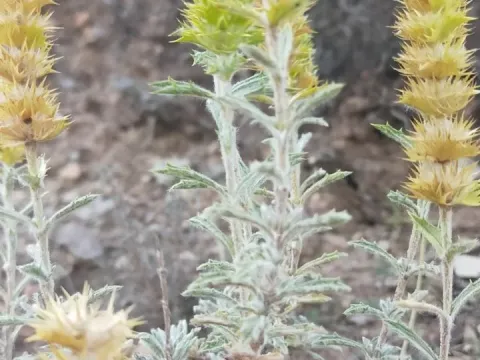
Sideritis spinulosa
Sideritis spinulosa
Sowing of Sideritis spinulosa is typically performed in early spring once soil temperatures reach 10–12 degrees Celsius. Seeds often require a period of stratification to improve germination rates and uniformity.
What the section contains
Sideritis spinulosa
Recommended row spacing is between 45 and 60 centimeters, allowing for efficient mechanical cultivation and optimal air circulation. Seeds should be sown at a shallow depth of 1–2 centimeters to ensure adequate light exposure.
Transplanting seedlings from a nursery is a preferred method in regions with shorter growing seasons. This technique ensures a stronger initial root system and better establishment in open fields.
Soil preparation is essential: the land must be free of weeds and thoroughly tilled. The species thrives in well-drained, light-textured soils where water does not pool near the roots.
Early spring planting allows the plants to establish before the onset of extreme summer heat, ensuring long-term survival and productivity.
Sideritis spinulosa is a member of the Lamiaceae family and is highly photophilous. It requires full sun exposure throughout the day to reach its full potential and maximize the synthesis of beneficial phytochemicals.
The plant is exceptionally drought-tolerant, making it an excellent candidate for dryland farming systems. It is naturally adapted to survive in areas with irregular rainfall patterns.
It prefers calcareous, rocky, or sandy substrates with a neutral to slightly alkaline pH. Excessive fertilization, particularly with nitrogen, should be avoided as it lowers the quality of the harvested herbal raw material.
Good drainage is the most critical environmental requirement. The species is susceptible to root decay if subjected to prolonged moisture, so sites with poor drainage should be avoided or modified.
It is well-adapted to the high diurnal temperature variations common in mountainous regions, which contributes to its resilience and high-quality aromatic profile.
Yield productivity peaks during the second and third years of cultivation. Proper spacing and weed management are fundamental to achieving consistent annual production levels.
Typical yields range from 800 to 1200 kilograms of dry herbal matter per hectare, depending on soil fertility, regional climate, and the intensity of solar radiation during the flowering phase.
To maximize yields, it is necessary to eliminate weed competition during the early stages of growth, as the plant grows slowly and can be easily overshadowed by vigorous invasive species.
The economic value of the crop is determined by the concentration of antioxidants and flavonoids in the aerial parts. Strategic harvesting at the peak of flowering is the most critical factor for market quality.
Harvested crops are widely used in the pharmaceutical industry and for the production of traditional herbal teas, known globally for their health-promoting properties.
Fungal diseases related to high humidity levels, such as root rot and powdery mildew, represent the primary threat to plantation health. These issues are often exacerbated by poor air circulation.
Pests like aphids and spider mites can be problematic during hot, dry periods. Regular monitoring is essential to catch early infestations and minimize their impact on the foliage.
As the plant is intended for human consumption as a medicinal product, the use of chemical pesticides should be minimal. Biological controls and proper cultural practices are the preferred management strategies.
Crop rotation is mandatory to prevent the accumulation of soil-borne pathogens. A gap of at least 4–5 years between plantings in the same location is recommended to maintain soil health.
Effective management includes the removal of diseased plants immediately upon detection to prevent the spread of infections across the field.
The harvesting process should be conducted during the peak flowering stage in dry, sunny weather. This timing ensures the highest concentration of active compounds within the flowers and leaves.
The aerial parts are harvested by cutting the stems 5–10 centimeters above the ground. Using clean, sharp tools prevents damage to the crown and promotes successful regeneration in subsequent seasons.
Post-harvest, the raw material must be dried in a shaded, well-ventilated area. Direct sunlight must be avoided to prevent the degradation of essential oils and discoloration of the leaves.
Drying temperatures should be strictly maintained below 45 degrees Celsius. Overheating can lead to a significant loss of therapeutic value and aromatic compounds.
Once dried, the product should be stored in paper or cloth bags in a cool, dark, and dry environment to preserve its quality for up to two years.