
Lampranthus deltoides
Lampranthus deltoides
Description
Sowing dates
Propagation of Lampranthus deltoides is most effectively achieved through stem cuttings, which should be taken during the active growing season in late spring.
Cuttings must be allowed to callus for a few days before being placed in a well-draining sandy substrate to prevent rotting at the cut point.
Seed sowing is performed in late winter, using a shallow tray filled with a porous cactus mix that maintains consistent moisture and warmth.
During the germination phase, it is crucial to provide bright indirect light and maintain a temperature range of 20–22 degrees Celsius.
Young seedlings should be transplanted into individual pots only when they have developed a robust root system and are capable of handling limited moisture.
Growing requirements
Lampranthus deltoides is a succulent subshrub belonging to the Aizoaceae family, native to the arid landscapes of South Africa where it thrives in sunlight.
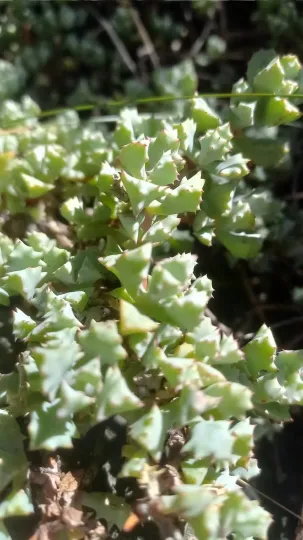
Botanically, it is characterized by its triangular, delta-shaped leaves that serve as efficient water storage organs, enabling survival in harsh environments.
The plant demands full sun exposure throughout the day; insufficient light levels result in leggy growth and a total lack of vibrant floral display.
Soil composition must be extremely porous, typically consisting of a mix of potting soil, coarse sand, and perlite to ensure rapid drainage of excess water.
Watering requirements are minimal; the substrate should be allowed to dry out almost completely between irrigation cycles to mimic natural arid conditions.
Main diseases and pests
The primary horticultural challenge for this species is the susceptibility to fungal pathogens, particularly root rot, caused by stagnant water in the root zone.
Insect pests such as mealybugs and spider mites are frequent invaders that thrive in warm, poorly ventilated spaces and can weaken the plant structure.
Effective management involves consistent monitoring of the plant canopy and the application of targeted insecticides or acaricides upon the discovery of pests.
Maintaining good airflow around the plants and avoiding overhead irrigation can significantly reduce the risk of developing leaf spot and fungal infections.
Providing adequate spacing between individual plants in the landscape or pots promotes better air circulation and reduces the spread of opportunistic pathogens.