
Sideritis libanotica
Sideritis libanotica
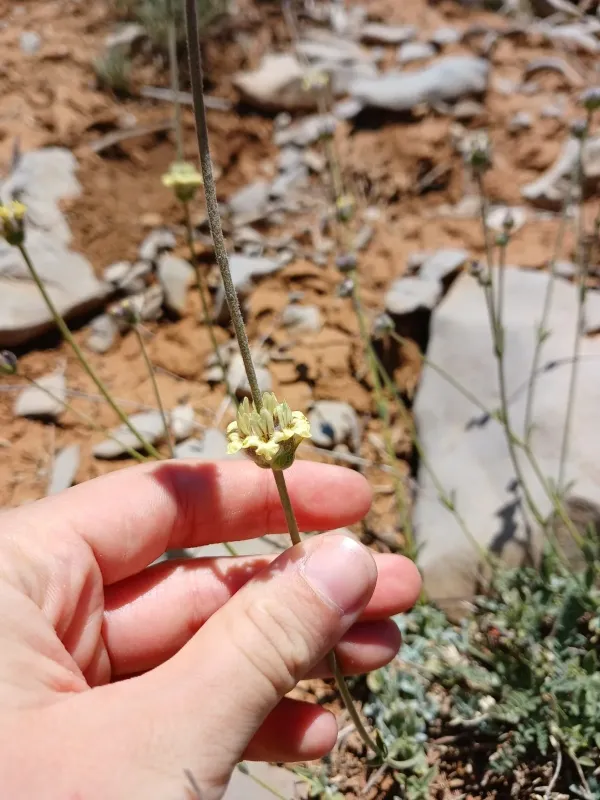
Description
Sowing dates
Sowing Sideritis libanotica is typically conducted in the spring when soil temperatures reach a range that encourages consistent germination.
The seeds possess a natural dormancy period, making cold stratification a recommended pre-treatment to ensure a uniform emergence of seedlings.
For commercial production, a row spacing of 50–60 centimeters is recommended to allow the perennial plants sufficient room for lateral root growth.
Seeds should be covered with a very thin layer of soil, no deeper than 1–2 centimeters, to allow adequate light exposure which is beneficial for the germination of this species.
After sowing, maintaining consistent but not excessive moisture is crucial until the seedlings establish their initial root systems.
Growing requirements
Sideritis libanotica thrives in well-drained, rocky or sandy soil types, reflecting its natural habitat on mountainous slopes.
The plant requires full sun exposure throughout the day, as intense light is necessary to stimulate the synthesis of its aromatic compounds and antioxidants.
Soil pH should ideally be neutral to slightly alkaline, and the plant performs poorly in compacted or waterlogged soils which can lead to root failure.
It is a hardy plant that shows high resistance to drought once established, requiring minimal irrigation even in arid growing conditions.
Adequate soil aeration is more important than nutrient supplementation; therefore, avoiding heavy fertilizers that promote soft, vegetative growth is advisable.
Yield
The economic yield of Sideritis libanotica is based on the dry biomass of aerial parts, which are highly valued for their inclusion in herbal teas.
Average yields can reach 2–3 tonnes per hectare, depending on plant density, soil quality, and the number of harvests per season.
Productivity typically peaks during the second and third years of growth when the plants form dense, mature clusters with numerous flowering stems.
Sustainable cultivation practices include regular thinning and periodic replacement of aging stands to ensure consistent production levels.
Yield quality is determined by the timing of harvest, which should coincide with the peak flowering period to maximize essential oil content.
Main diseases and pests
Root rot caused by Phytophthora or Pythium species is the most common threat, usually triggered by poor drainage or overly frequent irrigation.
Pests such as aphids and spider mites can infest the foliage, particularly in hot, stagnant environments with poor air circulation.
Fungal diseases like powdery mildew may appear during humid seasons, necessitating preventive spacing between plants to enhance ventilation.
Integrated pest management, focusing on organic solutions, is the preferred method for maintaining the medicinal integrity of the final crop.
Early identification of diseased individuals and their prompt removal is essential to stop the spread of soil-borne pathogens within the field.
Harvesting
Harvesting should be performed when the plant is in full bloom, which is the time when the concentration of therapeutic components is at its highest.
The upper portions of the stems are cut about 10–15 centimeters above the ground to facilitate regrowth for future seasons.
Immediate drying is required after harvest; spreading the cut stems in thin layers in a shaded, well-ventilated area prevents degradation.
High temperatures and direct sunlight must be avoided during the drying process to preserve the plant's delicate aromatic oils and green color.
Once dried to the point of crispness, the herbs should be stored in moisture-proof, light-protected containers to maintain their shelf life and efficacy.