
Landoltia
Landoltia
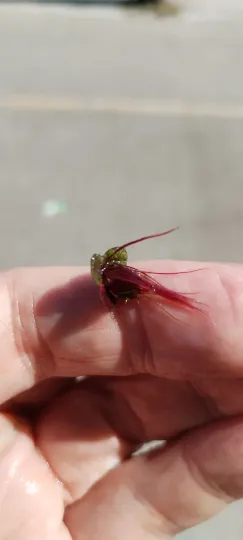
Description
Sowing dates
Landoltia, as a free-floating aquatic plant, does not require traditional seed sowing in soil. Propagation of the culture is carried out mainly by vegetative means, where daughter fronds bud off from the parent plants.
The optimal period for active vegetative growth is the spring-summer season, when the average daily water temperature reaches 20–28 degrees Celsius. Under controlled aquaculture conditions, the "sowing" process consists of inoculating the stock culture into reservoirs with a pre-prepared nutrient medium.
Planting density directly affects the colonization rate of the water surface. For rapid biomass acquisition, it is recommended to maintain an initial surface coverage density, which helps prevent excessive development of phytoplankton and competing algae species.
In closed systems, population maintenance is possible year-round, provided that stable temperature control and sufficient lighting are ensured. Inventory and renewal of the stock culture are carried out as needed to maintain high genetic purity of the strain.
To accelerate growth, lighting control methods are used, as excessive ultraviolet radiation can negatively affect the photosynthetic activity of young Landoltia shoots.
Growing requirements
Landoltia belongs to the Araceae family, subfamily Lemnoideae. The crop is highly demanding of water composition, preferring environments with high levels of dissolved nitrogen and phosphorus, which makes it an effective tool for biological wastewater treatment.
The optimal pH levels for active plant metabolism range from 6.5 to 8.0. Deviations toward strong acidification or alkalinization can lead to chlorosis and slowed cell division.
The most important factor for development is the availability of sunlight. The crop has a high capacity for photosynthesis, which allows it to absorb significant volumes of carbon dioxide and transform it into biomass rich in protein and micronutrients.
In its natural habitat, the range covers tropical and subtropical regions, but the plant demonstrates high adaptability to temperate climates during seasonal cultivation. An important condition is the absence of strong currents, which can mechanically damage the structure of the fronds.
Nutritional requirements include the presence of available forms of nitrogen (nitrates and ammonium) and potassium in the water. The balance of these elements is critical to prevent the accumulation of toxic substances in the biomass if it is intended for use as fodder.
Yield
Landoltia possesses one of the highest productivity coefficients among higher plants. With optimized cultivation conditions, biomass is capable of doubling in a period of 2 to 4 days, significantly exceeding the rates of classic terrestrial crops.
The average yield in intensive aquaculture systems can reach significant volumes of dry matter per hectare per year. This indicator makes Landoltia a promising candidate for the production of alternative feeds and biofertilizers.
Factors limiting yield include the accumulation of metabolites in an aging population, which requires regular thinning and harvesting of part of the crop. Timely removal of biomass stimulates population rejuvenation and maintains a high rate of division.
The energy value of a Landoltia harvest is comparable to that of high-quality legume hay. The plant contains a high percentage of crude protein, which is particularly valued in the production of compound feeds for fish and livestock.
To maximize harvest, automated systems for cleaning water of excess plants are used, which allows for maintaining stable productivity throughout a long vegetation cycle.
Main diseases and pests
The main threats to the culture are specific types of pathogenic fungi and bacteria capable of causing rot in fronds under conditions of stagnant water and poor aeration. Upon the appearance of disease signs, sanitation of the system must be conducted immediately.
Pests, such as the larvae of certain aquatic insects, can cause mechanical damage to floating shoots. Pest control in industrial conditions is most often biological in nature, avoiding the use of aggressive chemical pesticides.
Competition from other duckweed species (Lemna, Spirodela) often becomes a displacement factor. If the nutrient balance is disturbed, more aggressive species can quickly replace Landoltia in the reservoir.
Physicochemical threats include the risk of heavy metal accumulation when using wastewater as a nutrient medium. Continuous monitoring of water composition is a mandatory element of the technological map.
Weather disasters, such as strong winds and heavy rainfall, can lead to the mechanical displacement of Landoltia to undesirable zones of the reservoir, complicating the collection process and requiring the installation of restrictive barriers.
Harvesting
Harvesting Landoltia is carried out by mechanical scooping or by using screen conveyors that remove the plants from the surface layer of the water. The process must be regular to prevent over-compaction of the layer.
After removal from the water, the biomass requires initial processing: separation from incidental impurities and preliminary dehydration. Using centrifuges or filter presses allows for significantly reducing the moisture content of the raw material for subsequent drying.
Further processing includes a dehydration process, which should be carried out at moderate temperatures to preserve vitamin composition and high protein content. The resulting powder or pellets are used as a feed additive.
Storage of the dried product requires compliance with moisture conditions, as excess water can provoke mold growth and spoilage of the valuable raw material. The use of vacuum packaging or ventilated storage facilities is optimal.
An important aspect is logistics: due to the high water content in the fresh state, transportation over long distances is economically unfeasible, so processing facilities try to be located in close proximity to the cultivation sites.