
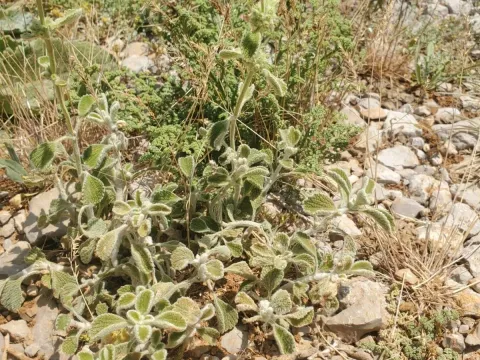
Marrubium radiatum
Marrubium radiatum
Marrubium radiatum is a perennial herbaceous plant belonging to the Lamiaceae family. It is recognized for its medicinal properties and serves as a valuable resource in the production of herbal extracts and essential oil components.
What the section contains
Marrubium radiatum
The optimal sowing time for Marrubium radiatum is in early spring once the soil temperature is stable. Farmers can also opt for late autumn sowing, which ensures early emergence of seedlings as soon as favorable conditions arise in the spring.
Successful establishment requires a well-prepared seedbed that is free of large clods and debris. Seeds should be sown at a shallow depth of approximately 1 centimeter, as excessive depth may hinder the emergence of the small seeds.
Spacing is a crucial factor in the agro-technical management of this crop. Maintaining inter-row spacing of 45–60 centimeters allows for efficient mechanical weeding and ensures that each plant has enough space to develop a robust foliage structure.
Seedling propagation is also a common practice for large-scale operations. Transplanting vigorous seedlings into the field increases the uniformity of the stand and helps the crop outcompete weeds during the critical early stages of development.
This crop thrives in sunny locations with well-drained, fertile soil. Exposure to direct sunlight is essential for the accumulation of active phytochemicals in the leaves, which directly impacts the quality of the raw material.
Marrubium radiatum is drought-tolerant, but consistent moisture during the active vegetative growth phase significantly improves biomass yields. It performs best in light to medium-textured soils with a neutral or slightly alkaline pH level.
Nutrient management should focus on balanced fertilization. While nitrogen promotes leafy growth, phosphorus and potassium are vital for hardening the tissues, improving winter survival, and increasing the overall resilience of the plants.
The plants are generally hardy and can withstand varying temperature ranges, making them suitable for cultivation in diverse temperate climates. Proper air circulation around the plants is essential to prevent moisture accumulation.
Regular cultivation of inter-rows is recommended to prevent soil compaction and ensure oxygen availability in the root zone. This practice also helps in managing weed populations, which is vital for maintaining the health of the perennial stand over multiple years.
The primary threats to Marrubium radiatum include various fungal pathogens that thrive in overly humid environments. Powdery mildew is a common concern, often manifesting as a white fungal growth on the foliage, which reduces the plant's photosynthetic capacity.
Root rot caused by poor soil drainage can result in significant plant losses. Ensuring that the planting site has excellent drainage is the most effective preventive measure against such diseases, protecting the long-term viability of the plantation.
Pests such as aphids and spider mites can attack the plants during warm, dry weather conditions. Early detection through regular field scouting allows for targeted and efficient management, minimizing the need for large-scale chemical applications.
Some lepidopteran larvae may feed on the foliage and flower buds, occasionally requiring intervention. Integrated pest management strategies, such as promoting beneficial insects, are preferred to maintain ecological balance in the field.
Effective crop sanitation is essential for mitigating disease pressure. Removing diseased plant matter and maintaining proper stand density are key components of a professional agro-technical approach to ensure a high-quality harvest.