
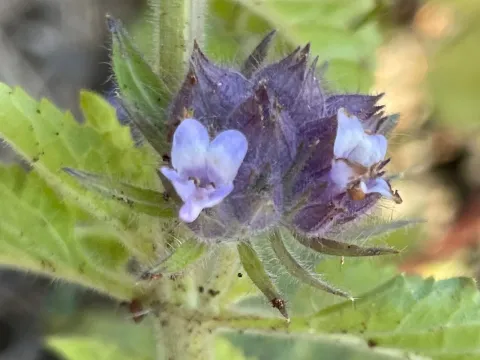
Marsypianthes
Marsypianthes
Marsypianthes is a genus of herbaceous plants belonging to the Lamiaceae family. These plants are typically found in tropical regions of the Americas and are recognized for their distinct inflorescences and aromatic foliage characteristic of the mint family.
What the section contains

Marsypianthes
The cultivation of Marsypianthes requires well-draining, nutrient-rich soil. The plant is sensitive to waterlogging, which necessitates careful soil management to ensure optimal root aeration and prevent structural degradation of the substrate.
Climate preferences for this crop are strictly tropical. It thrives in environments with high humidity and constant warm temperatures, ideally ranging between 22 and 30 degrees Celsius. Exposure to frost is fatal to the plant, limiting its commercial production to specific latitudes.
Regarding light, the crop requires full sun exposure to promote the biosynthesis of secondary metabolites. Insufficient solar radiation negatively impacts the medicinal quality of the essential oils stored within the plant tissues.
Industrial applications include the extraction of essential oils and bioactive compounds. These substances are increasingly researched for their antifungal, antibacterial, and antioxidant properties, making them valuable for the pharmaceutical and cosmetic industries.
Root rot, primarily caused by soil-borne fungi such as Pythium and Rhizoctonia, is the most significant pathological threat. These diseases are exacerbated by high soil moisture levels and poor agricultural drainage systems.
Insect pests, specifically aphids and spider mites, pose a persistent threat to commercial cultivation. These pests damage leaves and terminal buds, leading to stunted growth and reduced biomass yield if not managed with timely intervention.
Integrated Pest Management (IPM) strategies are highly recommended for Marsypianthes. This involves the use of biological predators, sticky traps, and precise application of organic pesticides to minimize environmental impact.
Virus transmission by insect vectors remains a challenge in areas where the plant is grown extensively. Rogueing infected plants and controlling host weeds in the surrounding area are critical steps to contain potential viral outbreaks.
Maintaining soil fertility through balanced fertilization is essential for plant vigor. Strong, healthy plants possess natural mechanisms to withstand minor pathogen attacks better than nutrient-deficient specimens.