
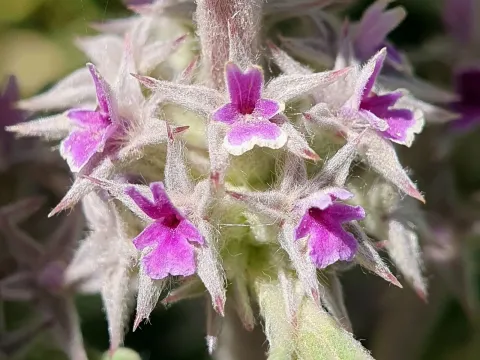
Marrubium alysson
Marrubium alysson
Sowing of Marrubium alysson is best performed in the spring season once the soil has warmed to 10–12 degrees Celsius. Mid-April is typically the optimal window, allowing the seeds to utilize moisture from melted snow for uniform germination.
What the section contains
Marrubium alysson
The preferred method of cultivation is row seeding with spacings of about 45–60 centimeters, ensuring enough space for healthy plant development and branching. Seeds should be planted at a depth of no more than 1–2 centimeters due to their small size.
Seedlings usually emerge within 14–20 days, provided that optimal soil moisture is maintained in the upper layers. It is crucial to avoid overcrowding, as poor air circulation can negatively impact plant health and development.
In warmer southern regions, autumn sowing is also possible, which facilitates natural seed stratification. This process often results in earlier and more robust growth during the following spring.
Once the plants develop two pairs of true leaves, thinning is recommended to maintain a distance of 20–25 centimeters between plants within the row, promoting a strong and deep root system.
Marrubium alysson is a member of the Lamiaceae family and acts as a perennial herbaceous plant with high ecological adaptability. It prefers open, sunny locations, as shading can lead to leggy growth and a decrease in essential oil content.
The crop is highly drought-tolerant and does not withstand waterlogged conditions, making light sandy or loamy soils with excellent drainage ideal for growth. High groundwater levels can be detrimental to the plant's root system.
While the plant adapts well to nutrient-poor soils, moderate applications of mineral fertilizers are recommended to boost biomass production. A neutral to slightly alkaline soil pH is preferred for optimal growth.
During the active growing season, regular weeding and cultivation between rows are necessary to improve root aeration and prevent weed competition. Mechanical soil maintenance helps retain moisture in the rhizosphere.
Climatologically, this plant is suited to Mediterranean and arid environments, allowing it to withstand high summer temperatures even under limited rainfall conditions.
The yield of green biomass depends on the quality of agronomic practices and soil fertility. On average, one hectare can produce between 5 and 10 metric tons of dry material when managed as a perennial plantation.
A biological feature of the plant is that it allows for harvesting twice per season: during the full flowering phase, when the concentration of active compounds is at its peak.
With intensive management and regular fertilization, productivity can be significantly improved. It is important to note that the first flowering typically occurs in the second year, once the plant has fully established its leaf rosette.
After being cut, Marrubium exhibits rapid regrowth, allowing for a second harvest of raw material. However, overly frequent cuttings may exhaust the plants and reduce the overall lifespan of the plantation.
The economic value of the crop also includes seed production, which is harvested as the pods turn brown. Seed yields from the area are sufficient to cover planting needs for subsequent seasons.
The primary threats to Marrubium alysson are fungal diseases triggered by poor humidity control. Specifically, powdery mildew can infect leaves when there is stagnant air and high moisture levels.
Root rot represents a danger when the crop is grown in heavy, poorly drained soils where water stagnation is common. Prevention involves strict adherence to crop rotation and avoiding over-irrigation.
Pests such as aphids and spider mites may infest young shoots during periods of severe drought. These insects extract cell sap, leading to leaf deformation and a decrease in the quality of the harvested material.
Nematodes can damage the roots, particularly in fields with intensive monoculture farming. Including crops that suppress soil pests in the rotation or maintaining spatial isolation is highly recommended.
- Ensure proper soil drainage to prevent waterlogging.
- Maintain appropriate seeding rates to prevent overcrowding.
- Regularly remove weeds that may serve as reservoirs for pathogens.
- Use biological control methods at the first signs of pest infestation.
Harvesting should be conducted in dry weather when the plant is in the flowering stage, as this is when essential oil and flavonoid concentrations are at their maximum.
The aerial part of the plant is cut at a height of 5–10 centimeters from the ground using specialized mowers or manual tools. It is critical not to damage the basal rosette to ensure subsequent regrowth.
The harvested material must be moved to the drying area as quickly as possible to prevent overheating and the loss of aromatic properties. Drying should occur in the shade under a canopy or in specialized dryers at temperatures not exceeding 40 degrees Celsius.
After drying, the raw material is cleaned of foreign impurities and packed into airtight containers to prevent exposure to moisture and light. Proper storage guarantees the preservation of biologically active compounds.
Seeds are collected separately once fully mature, followed by threshing and cleaning from plant debris. Seed stock should be stored in a cool, dry place until the next sowing season.