
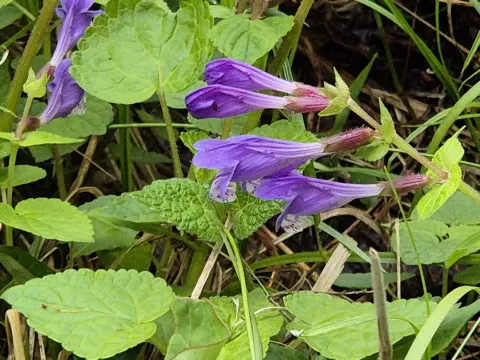
Meehania
Meehania
Meehania is a genus of perennial herbaceous plants belonging to the Lamiaceae family. These plants are widely recognized for their creeping habit, making them excellent ground cover choices for shaded garden areas where other plants might struggle to establish.
What the section contains
Meehania
The native range of Meehania includes parts of Eastern Asia and North America. In their natural habitats, these plants are found in temperate forests, thriving in cool, moist, and well-drained environments under the canopy of larger trees.
Cultivation requirements involve providing a fertile, humus-rich soil that remains consistently moist but not waterlogged. The pH level of the soil should ideally be near neutral, although the plants are quite adaptable to slightly acidic conditions typical of woodland soils.
Regarding light, Meehania prefers shade or partial shade. Exposure to intense afternoon sunlight can scorch the foliage and hinder the plant's ability to spread. Consistent shade maintains the vibrant color of the leaves and encourages more prolific stolon production.
Maintenance is relatively straightforward, requiring mainly sufficient irrigation during dry summer spells. The plant is hardy in many temperate zones, but adding organic mulch during late autumn can provide necessary protection against harsh frost for younger specimens.
Slugs and snails are the primary pests that affect Meehania. These mollusks are attracted to the lush, succulent foliage, especially in damp, shaded environments, and can cause severe defoliation if populations are not controlled.
Fungal diseases, such as powdery mildew, can appear if the plant is grown in areas with poor airflow and excessive humidity. Early symptoms typically include a fine white coating on the leaves, which can spread rapidly if left untreated.
Root rot is another potential threat, often resulting from poorly drained soil or over-irrigation. Ensuring that the planting site has adequate drainage is the most effective preventative measure against these types of soil-borne pathogens.
To minimize disease outbreaks, gardeners should practice good hygiene by removing fallen leaves and debris around the base of the plants, which can harbor pests and spores during the dormant season.
When chemical treatments are necessary, organic-based molluscicides or fungicides should be applied carefully to follow safety protocols, ensuring the surrounding garden ecosystem remains protected and healthy.